
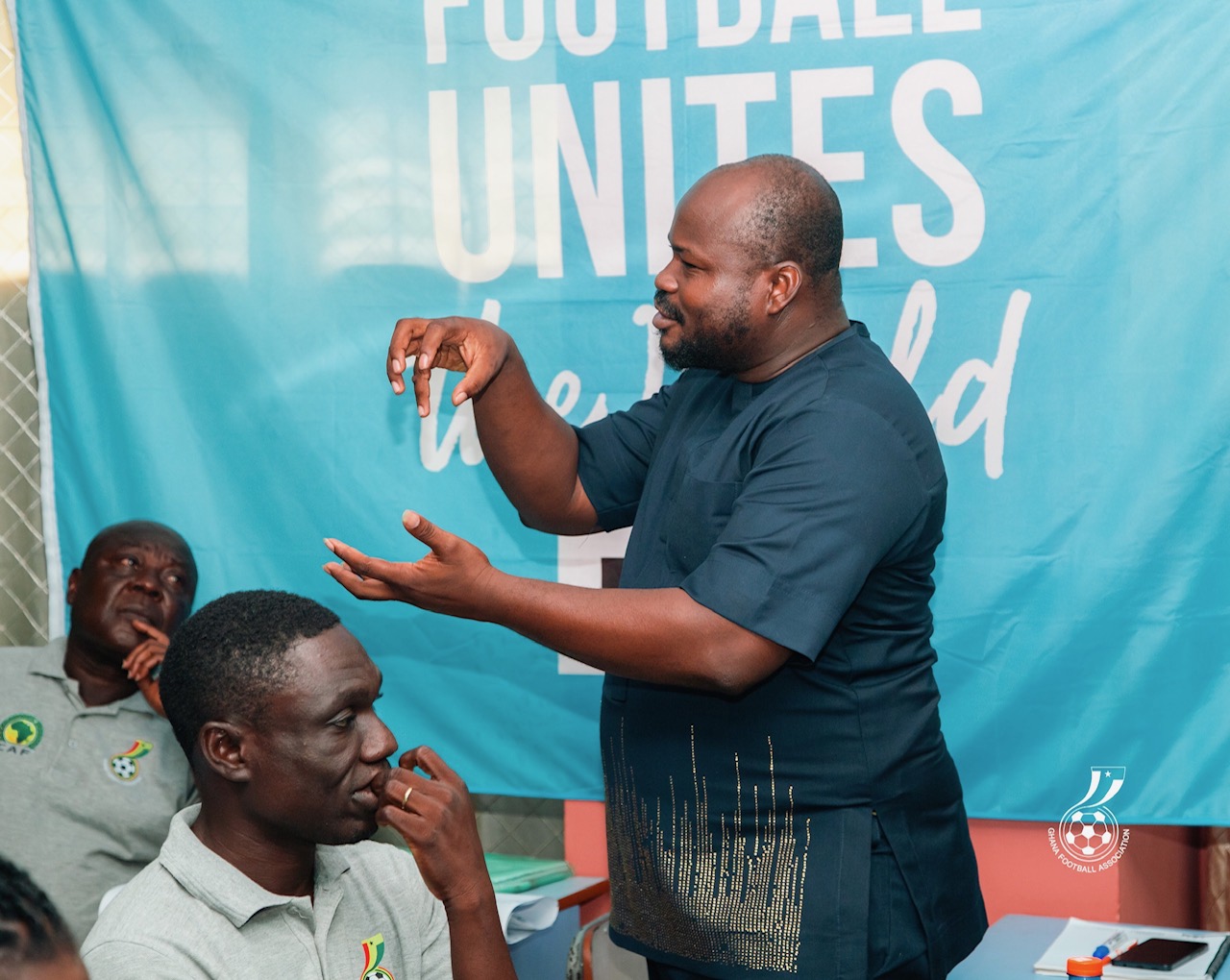
Day Four of Module Two of the CAF License A Coaching Course featured another high-level learning experience, as Julius Emunah, Managing Director of Accra Hearts of Oak and former Head of Competitions at the Ghana Football Association, delivered a compelling session on Organizational Structures in Modern Football Clubs.
Drawing on his extensive experience across both federation and club administration, Emunah provided participants with a detailed and practical understanding of how contemporary football institutions are structured and managed. He carefully outlined the hierarchy within modern clubs, illustrating how authority and responsibility flow from the boardroom through to technical, medical, scouting, and commercial departments.
Participants gained valuable insight into how these units function both independently and collaboratively, as well as how effective decision-making processes are coordinated across departments. Emunah emphasized that a clearly defined organizational structure is not merely an administrative necessity but a critical foundation for sustained success on and off the pitch.
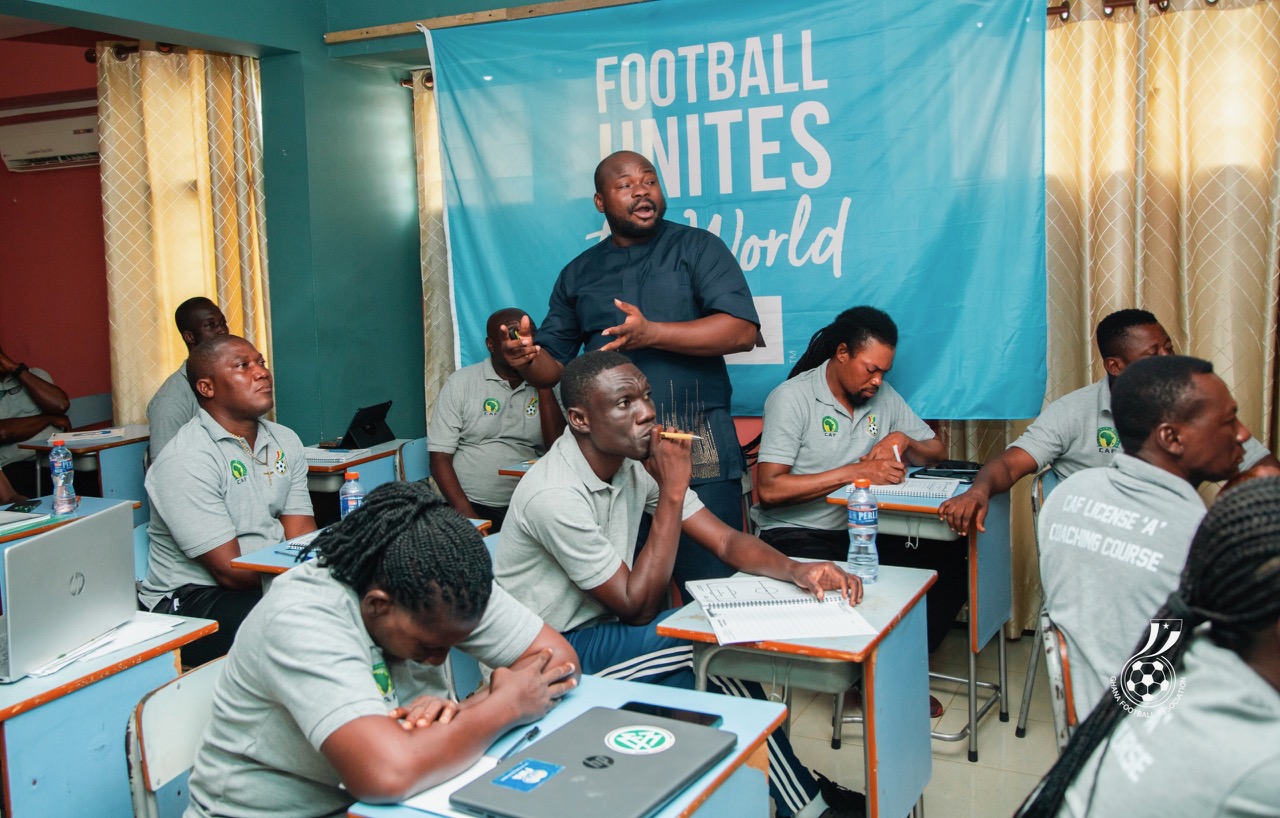 A central theme of his lecture was the evolving role of the modern coach. He stressed that today’s football environment requires coaches to move beyond a narrow focus on tactics and training, and instead develop a comprehensive understanding of the institutional frameworks within which they operate.
According to Emunah, knowledge of governance structures, reporting lines, and internal protocols is essential for effective communication and alignment between coaches, management, and boards of directors. He noted that when coaches understand how decisions are made, how resources are allocated, and what strategic vision drives the club, they are better equipped to align their football philosophy with broader organizational goals.
This alignment, he argued, is a defining characteristic of well-run clubs and a key differentiator between stability and dysfunction.
Importantly, Emunah addressed the realities within the Ghanaian football landscape, highlighting a persistent challenge that continues to hinder progress—the disconnect between coaches and club management. He pointed to recurring issues such as poor communication, misaligned expectations, and a lack of structured collaboration, which often result in fragmented decision-making and instability.
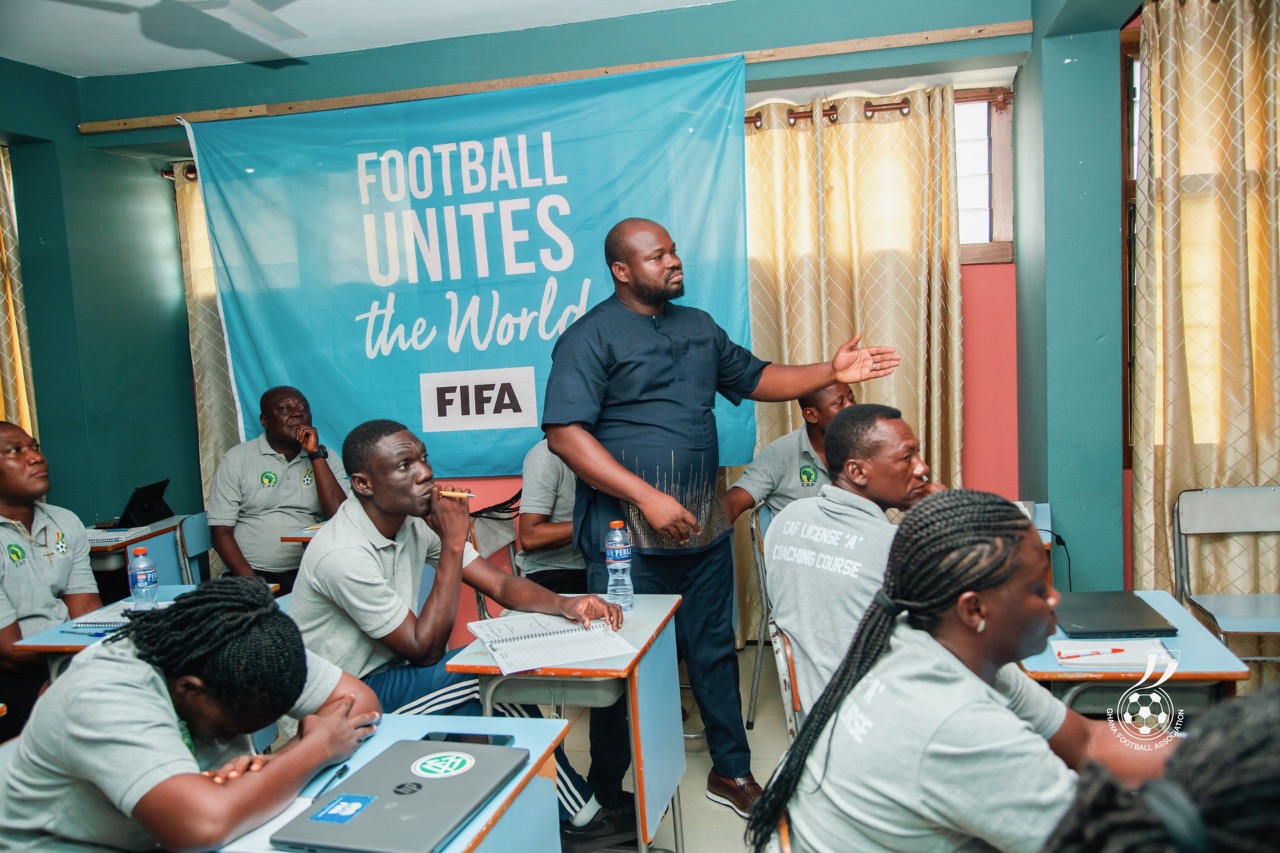 He observed that in many cases, player recruitment is conducted without sufficient input from the technical team, while coaches are not adequately informed about financial limitations or overarching club policies. Conversely, club management may lack a clear appreciation of the coach’s tactical needs and long-term vision.
The consequence, he noted, is an environment marked by mistrust, short-term thinking, and underperformance—factors that have undermined promising projects and limited the competitiveness of Ghanaian clubs at the continental level.
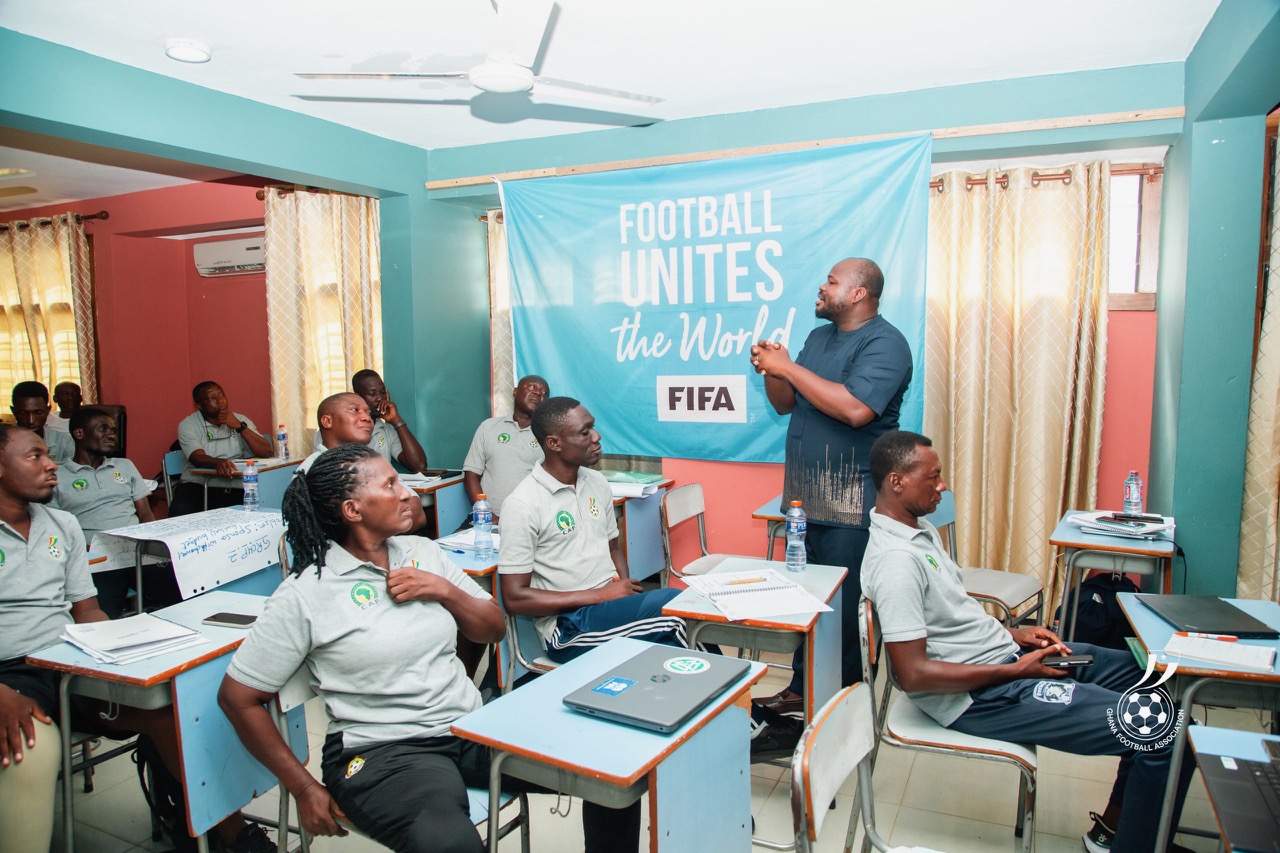
Emunah concluded by calling for a deliberate shift toward greater professionalism, urging clubs to foster open communication, strategic alignment, and institutional clarity. He emphasized that bridging the gap between technical and administrative structures is essential if Ghanaian football is to fully realize its potential and compete effectively with the best on the continent.
GFA Communications