
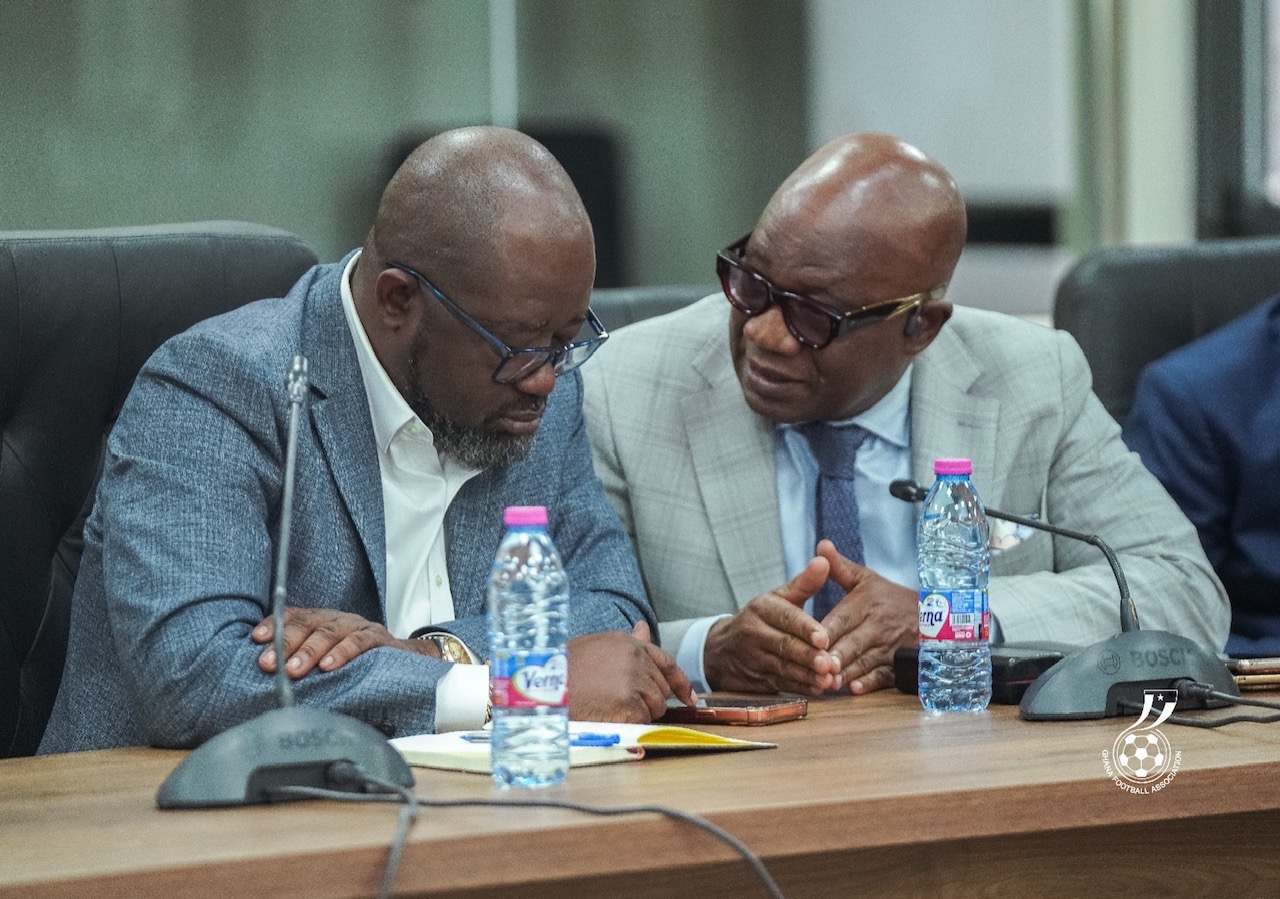
The President of the Ghana Football Association (GFA), Kurt Edwin Simeon-Okraku, has called for a stronger and more sustained commitment to the long-term development of the game, insisting that achieving lasting success requires collective responsibility, increased investment and improved infrastructure beyond the mandate of the football governing body.
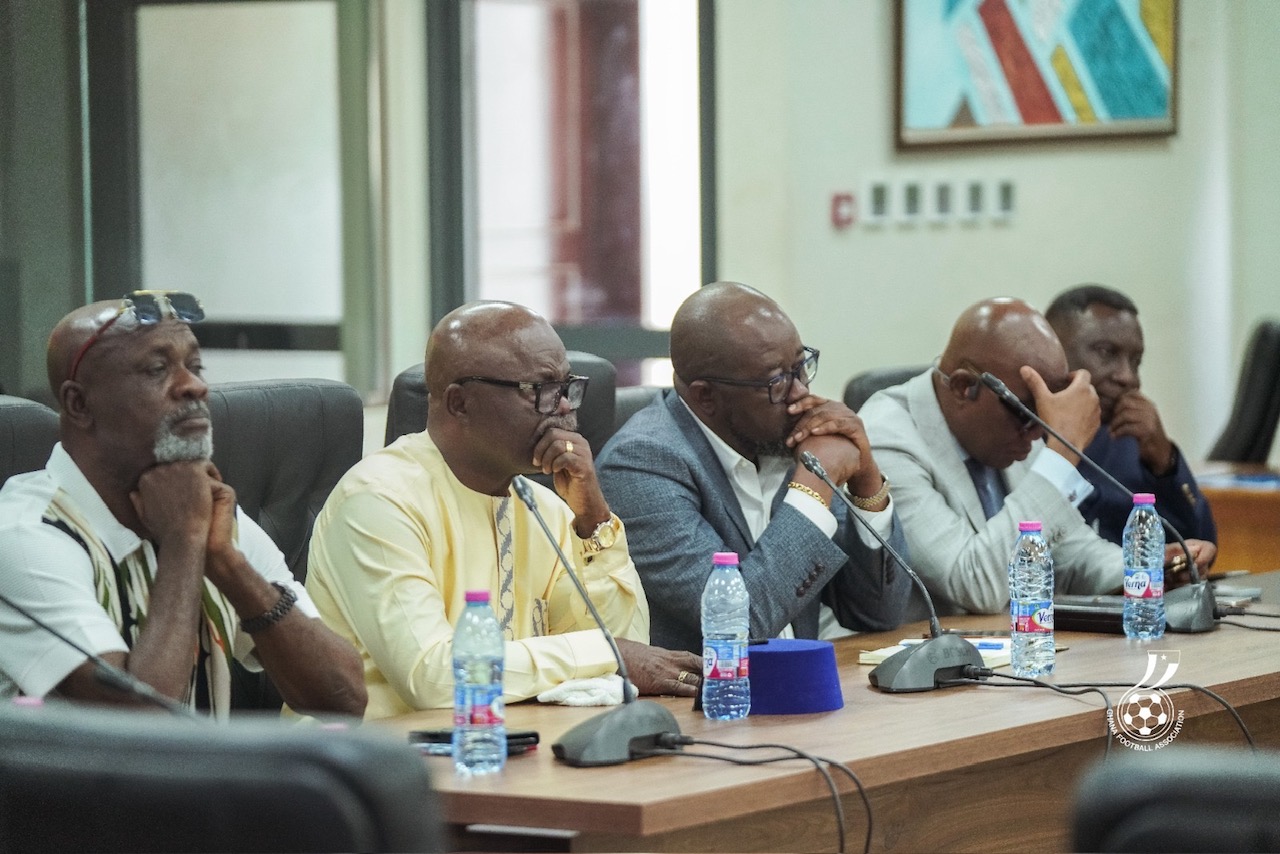
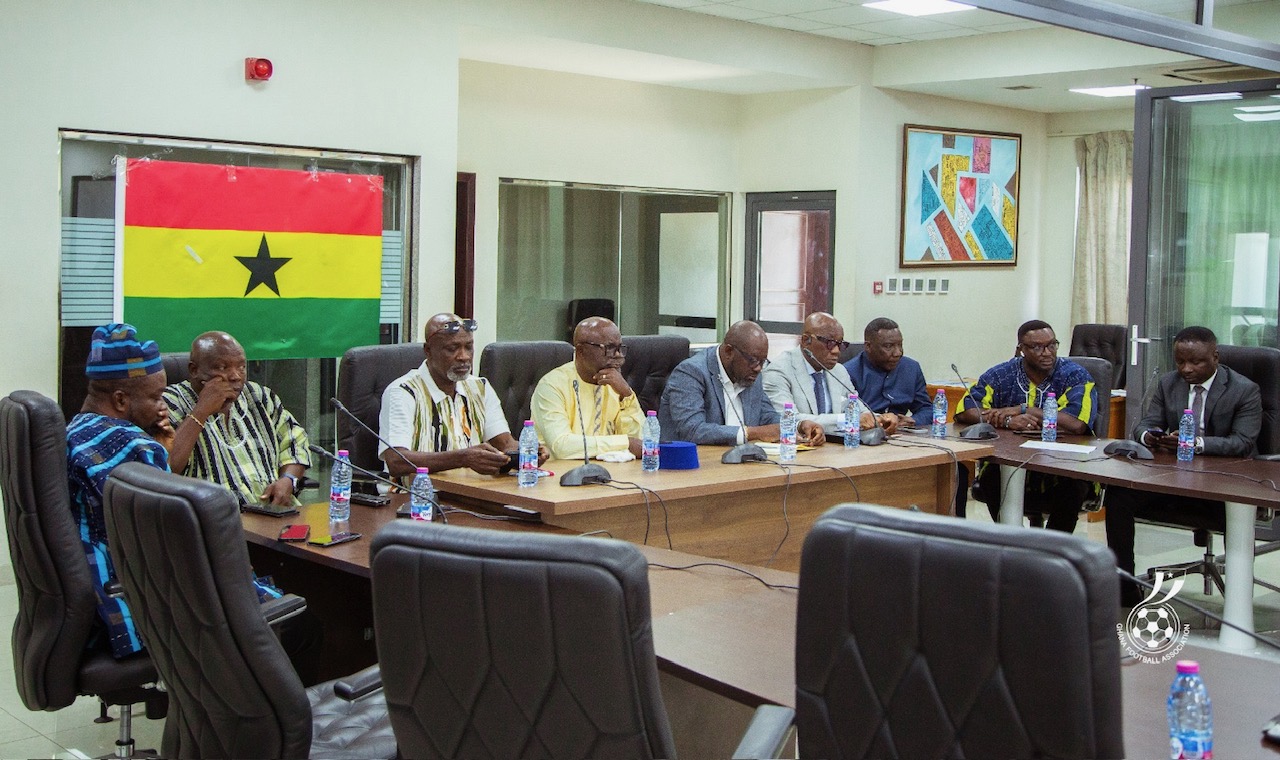
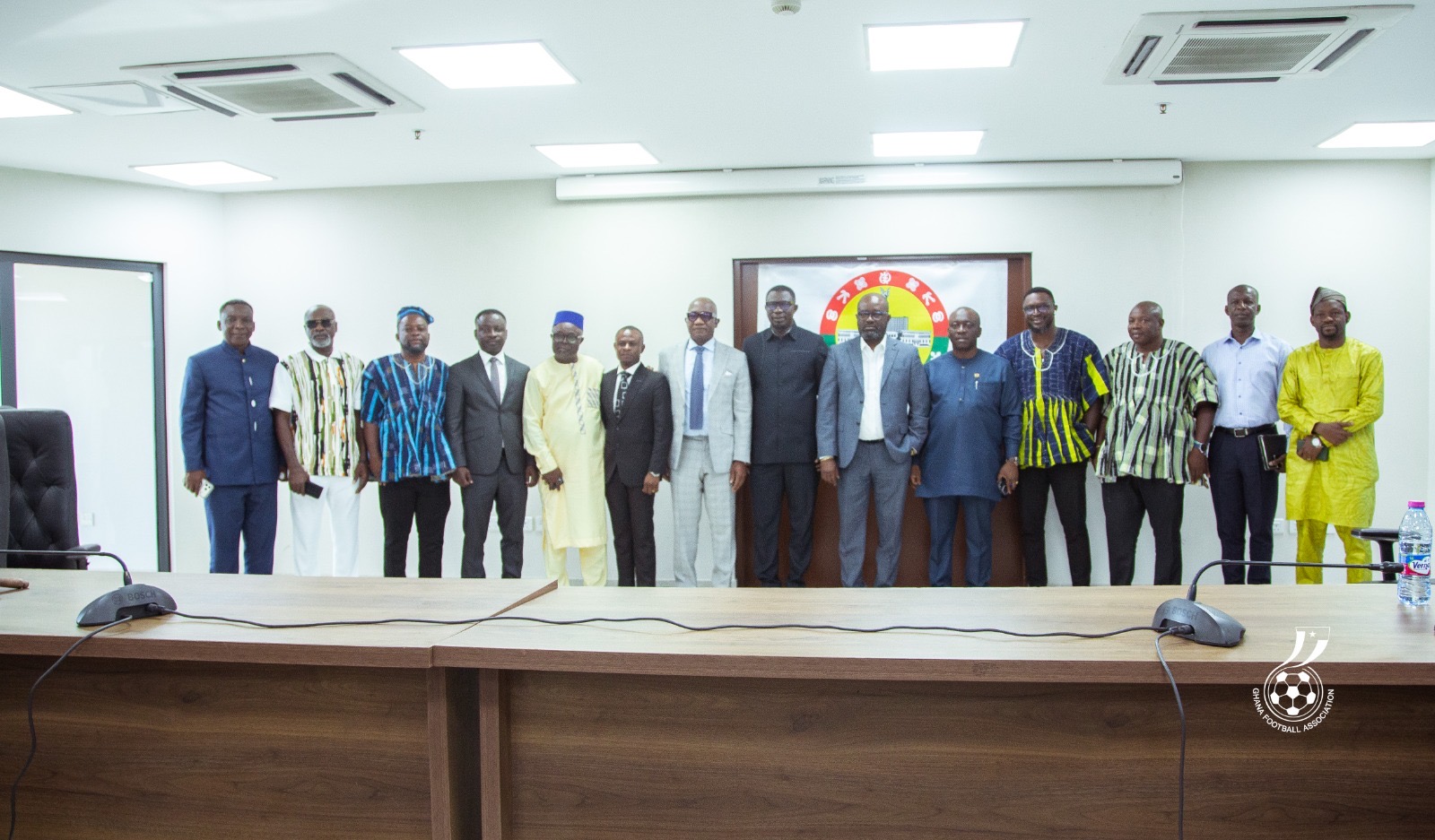
The President made the call during a high-level meeting between the GFA Executive Council and Parliament's Select Committee on Sports on Wednesday, November 4, 2026, where discussions centred on the performance of the Black Stars, the growth of domestic football and the broader challenges confronting the country's football industry.
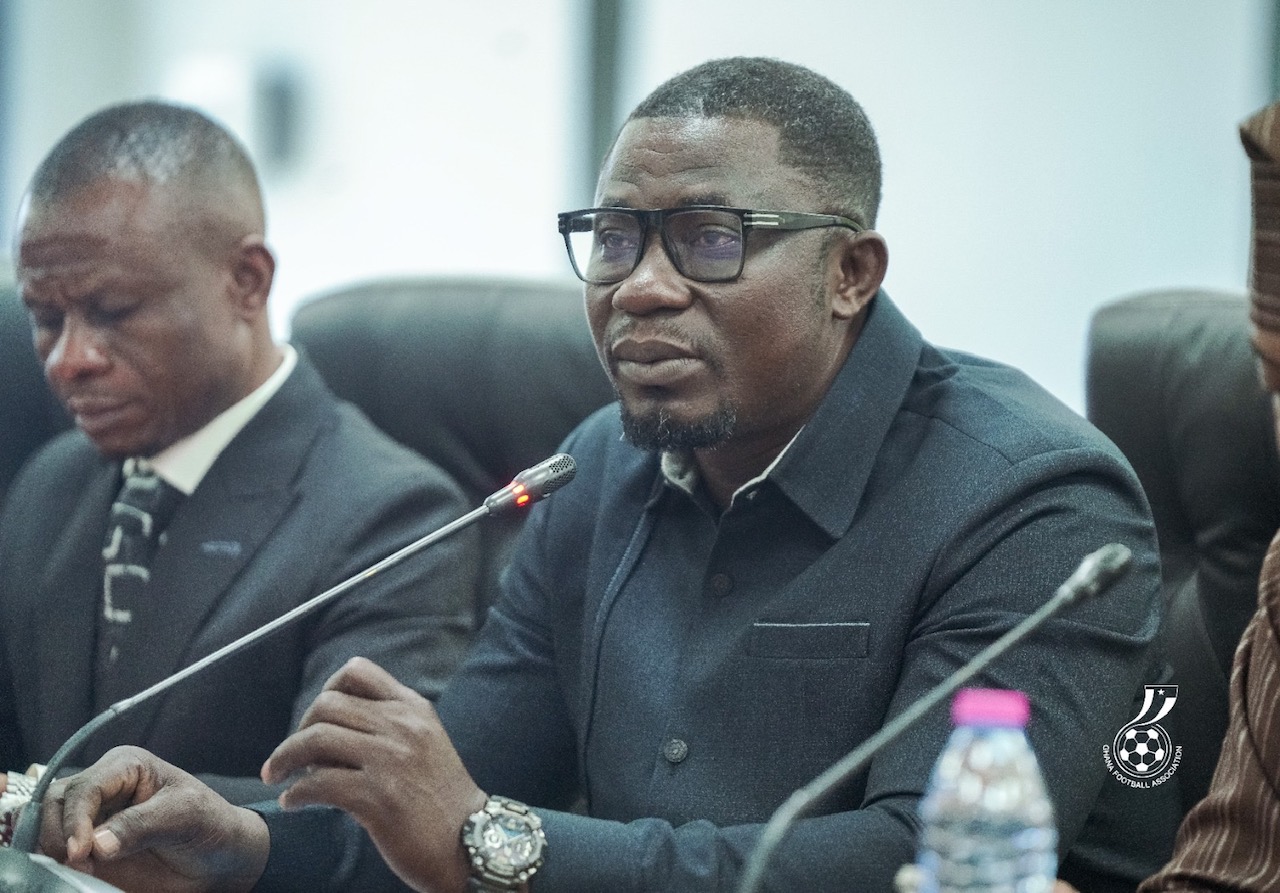
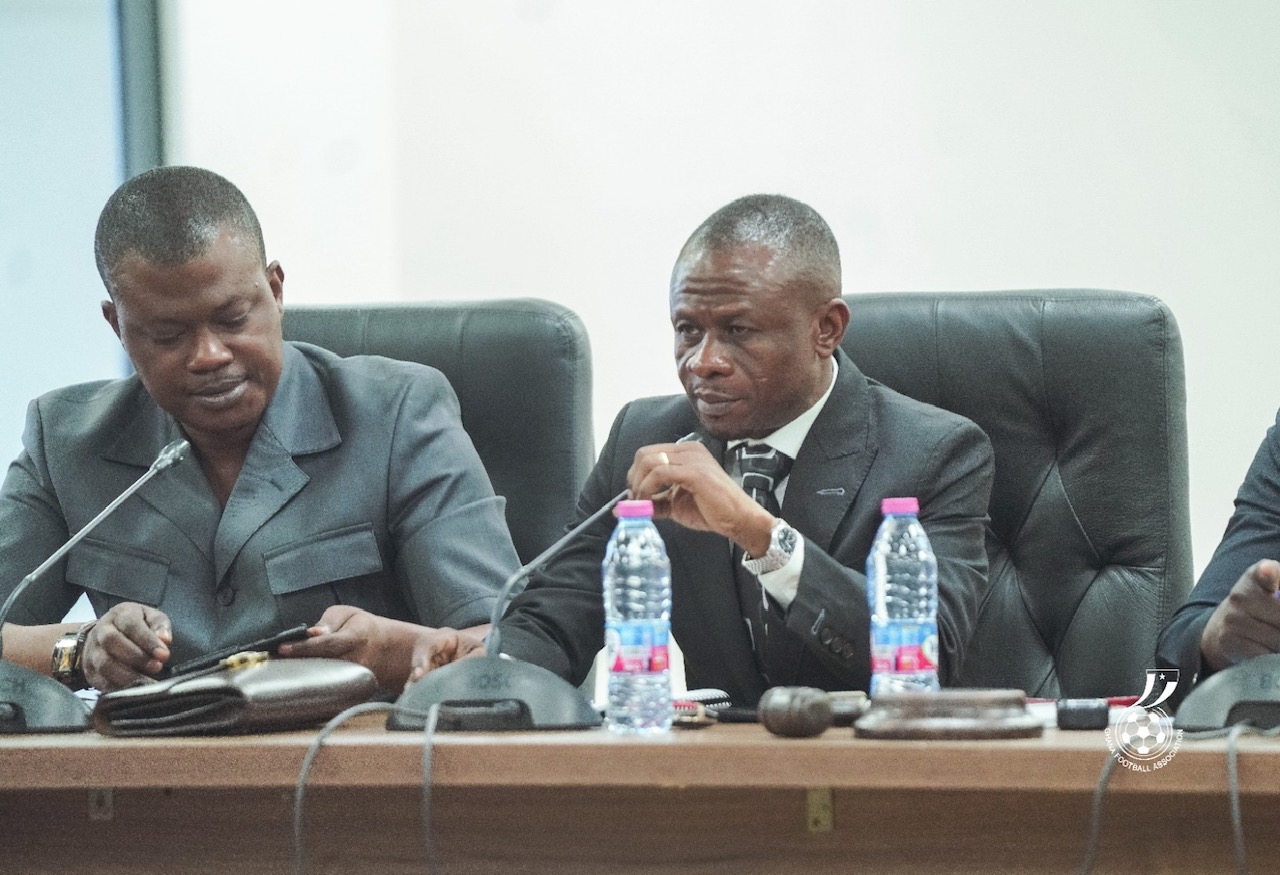
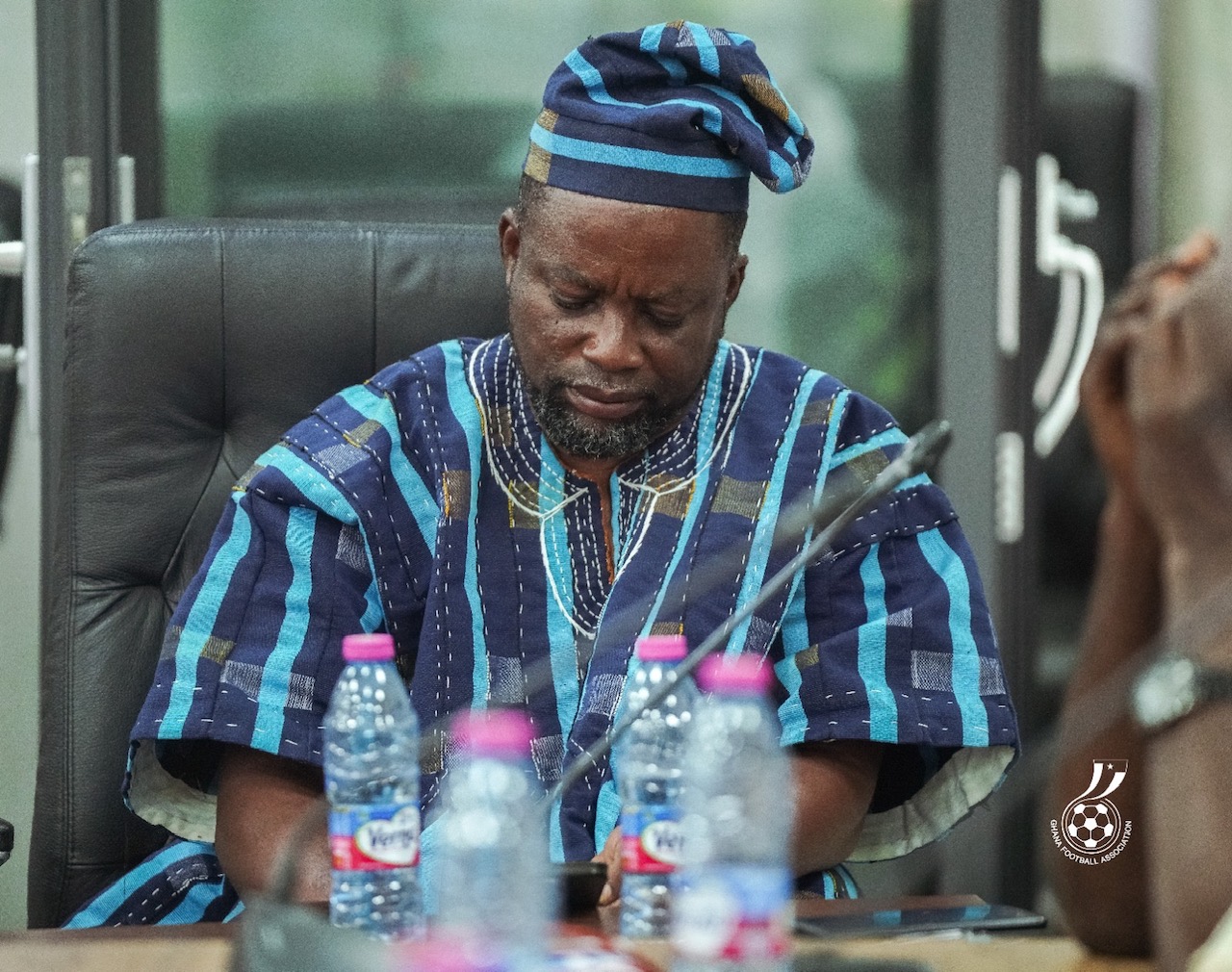
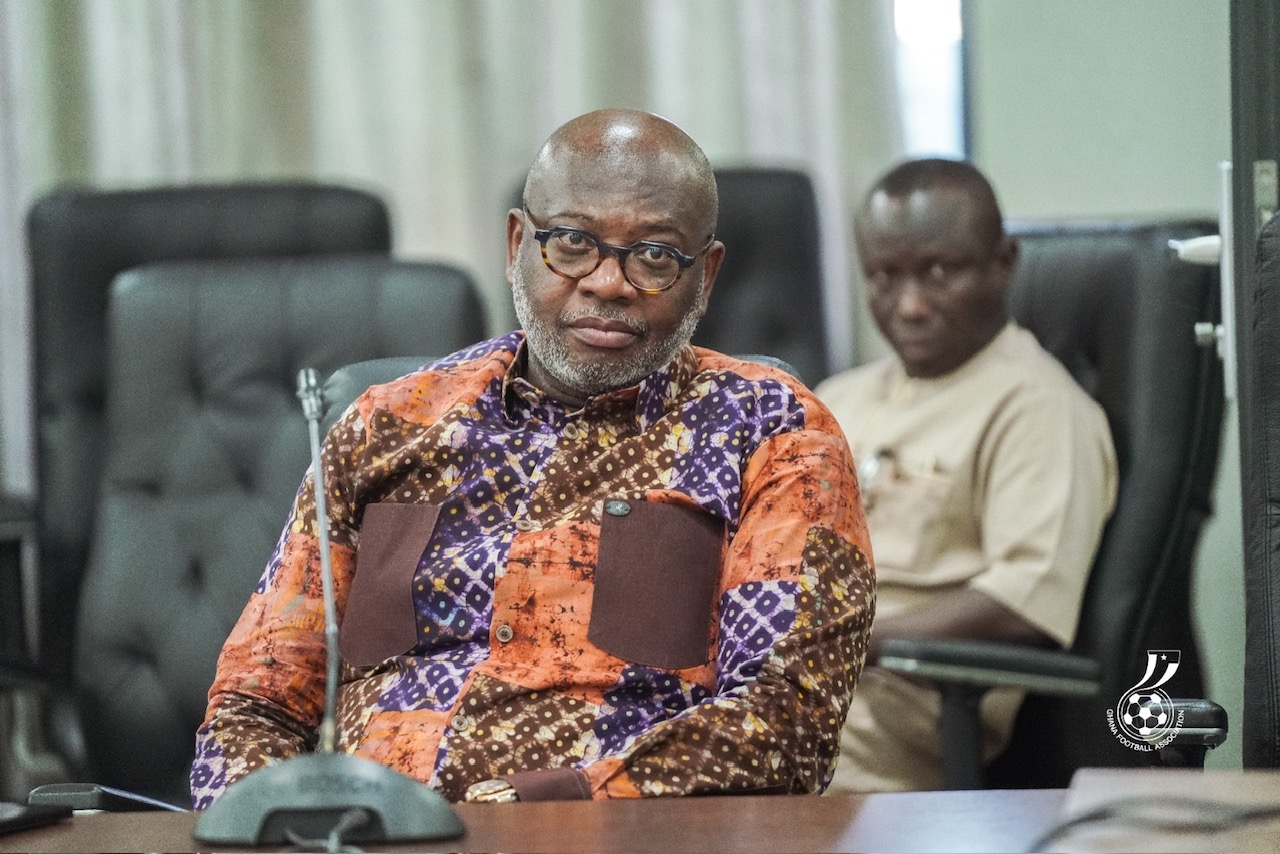
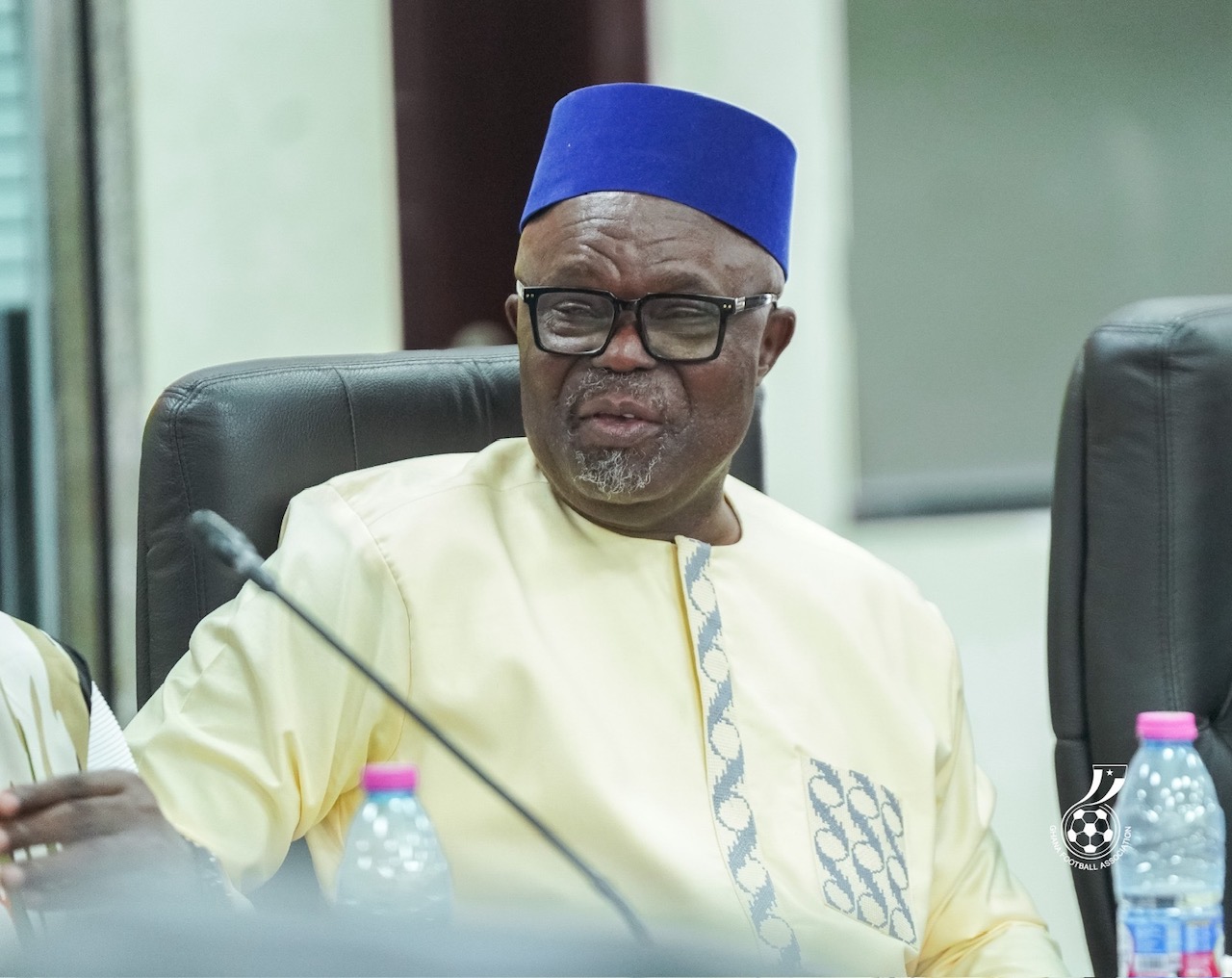
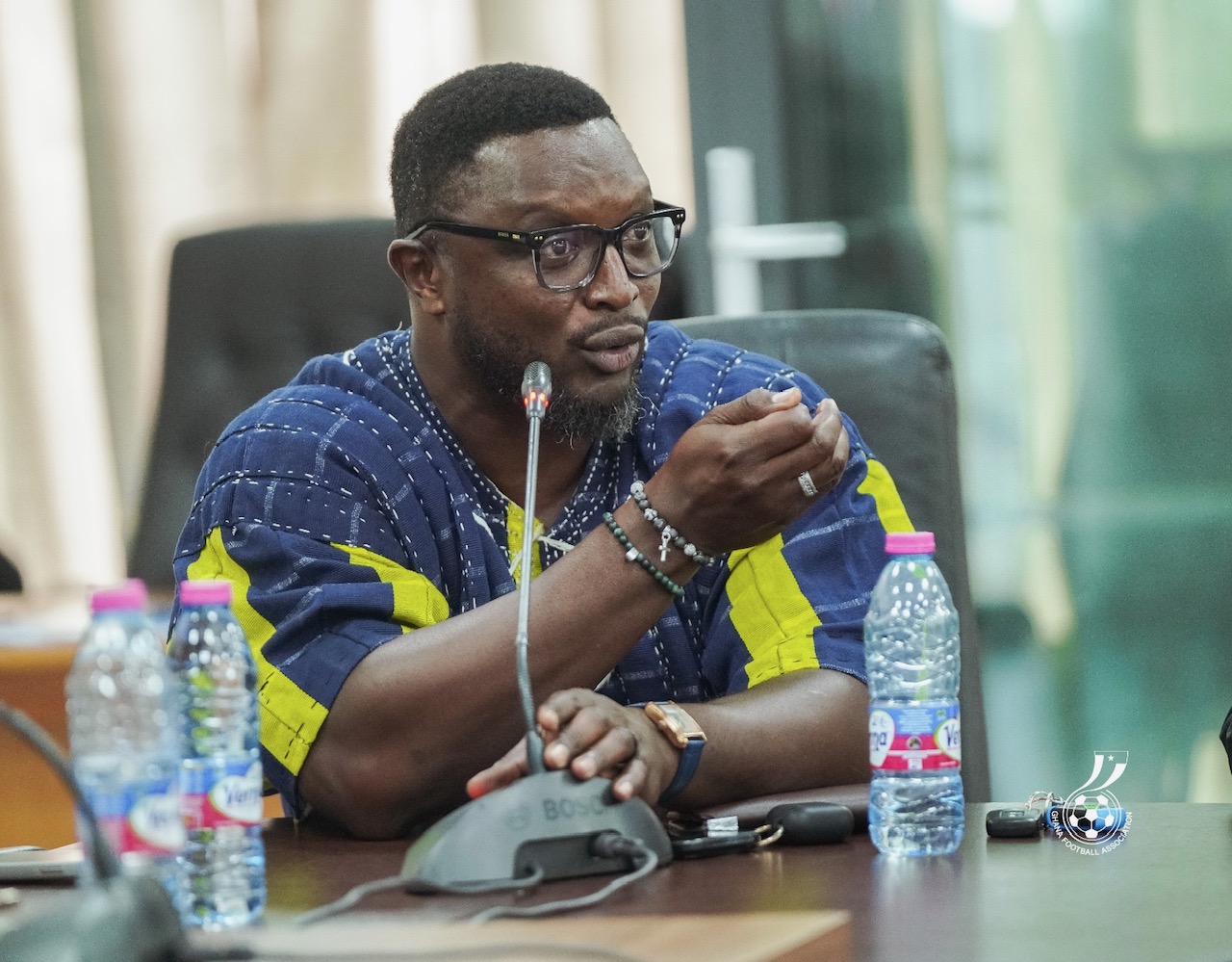
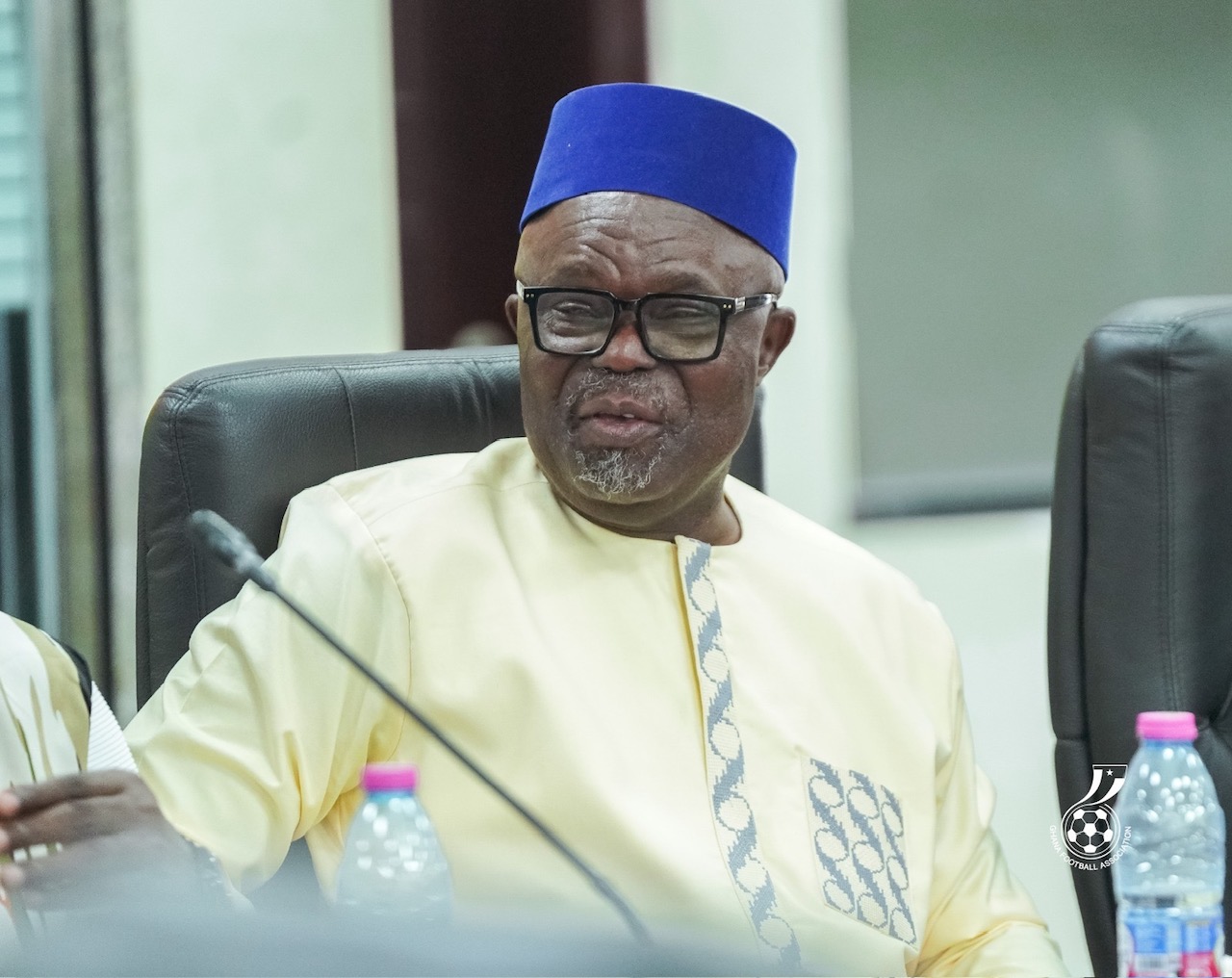
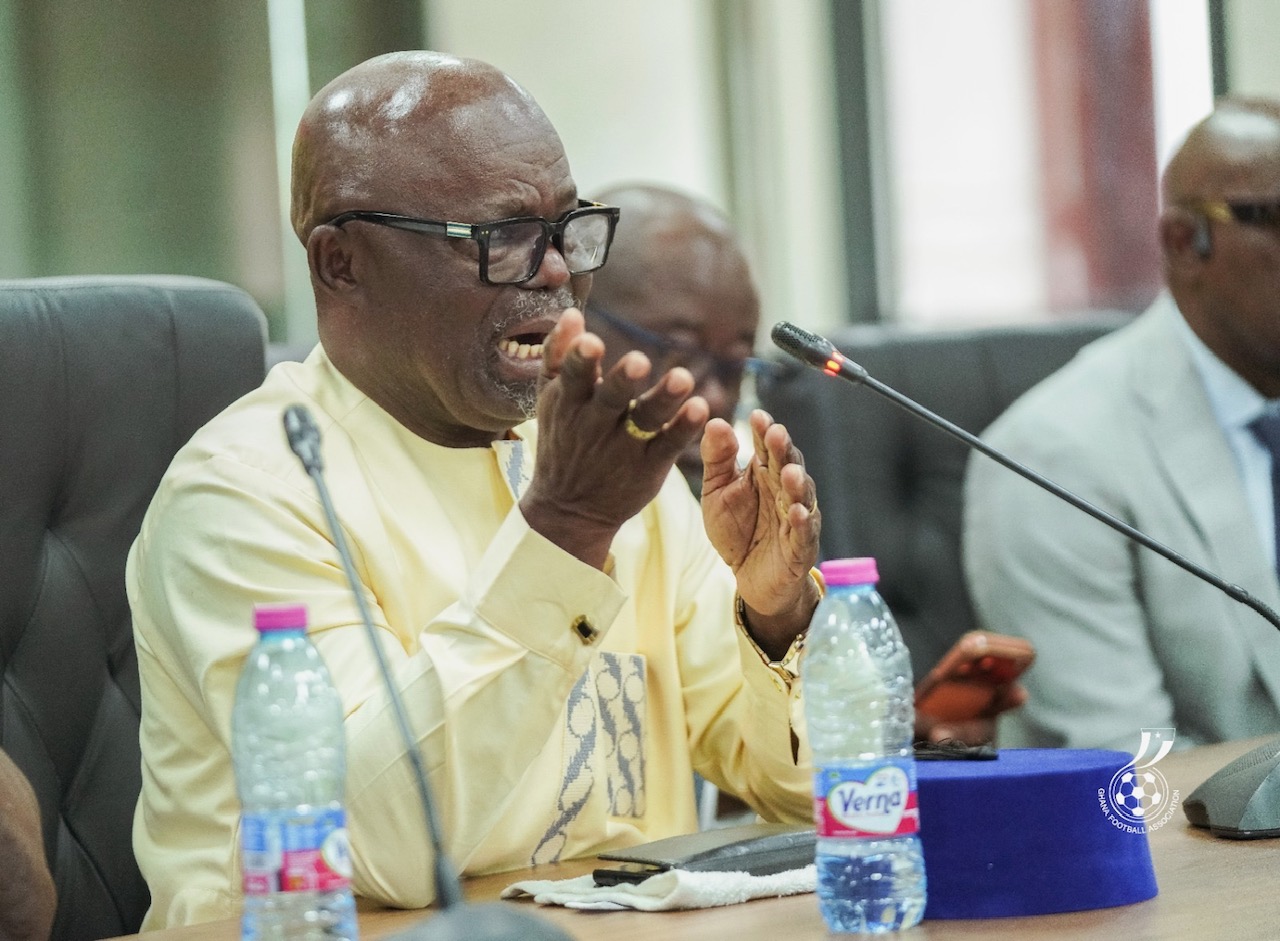
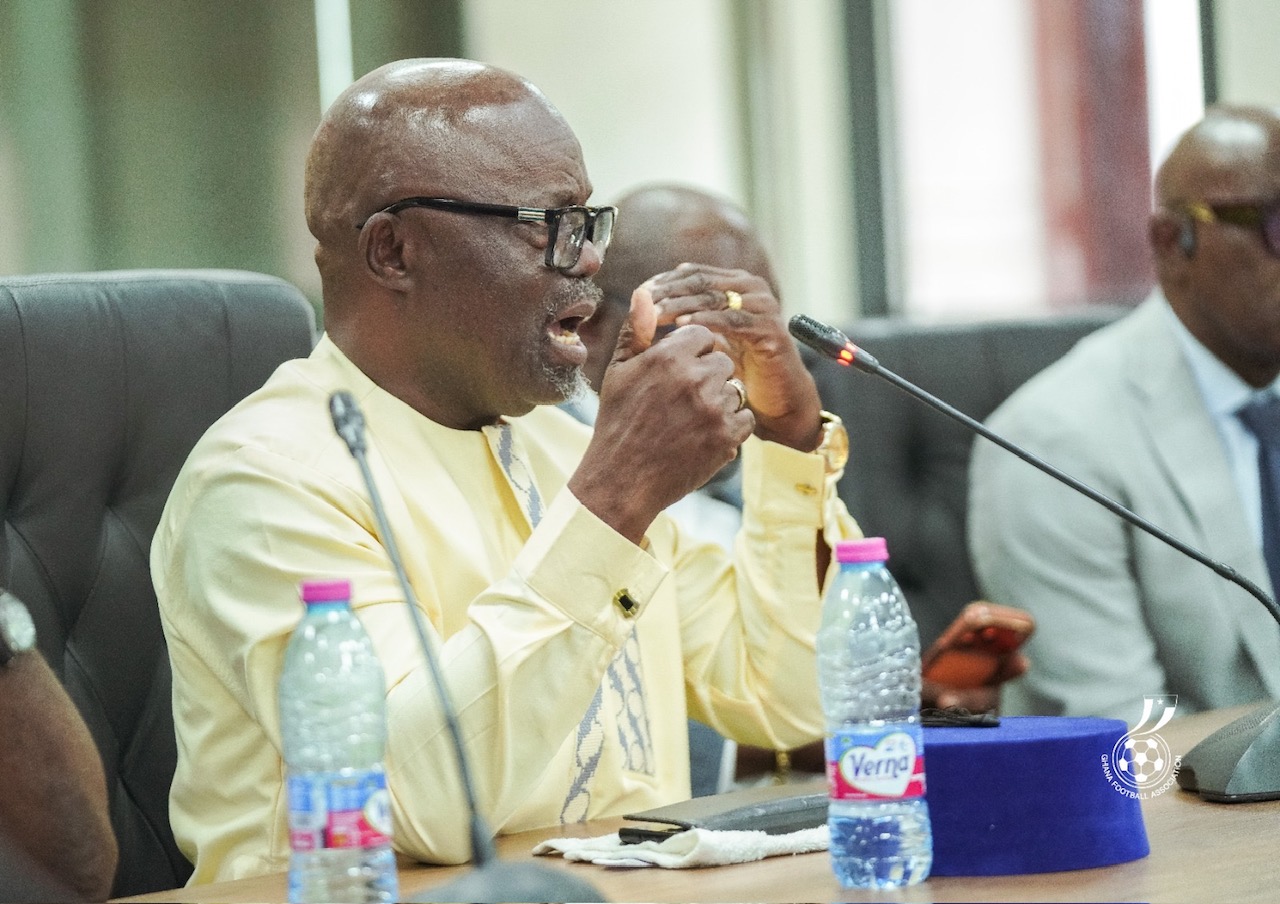
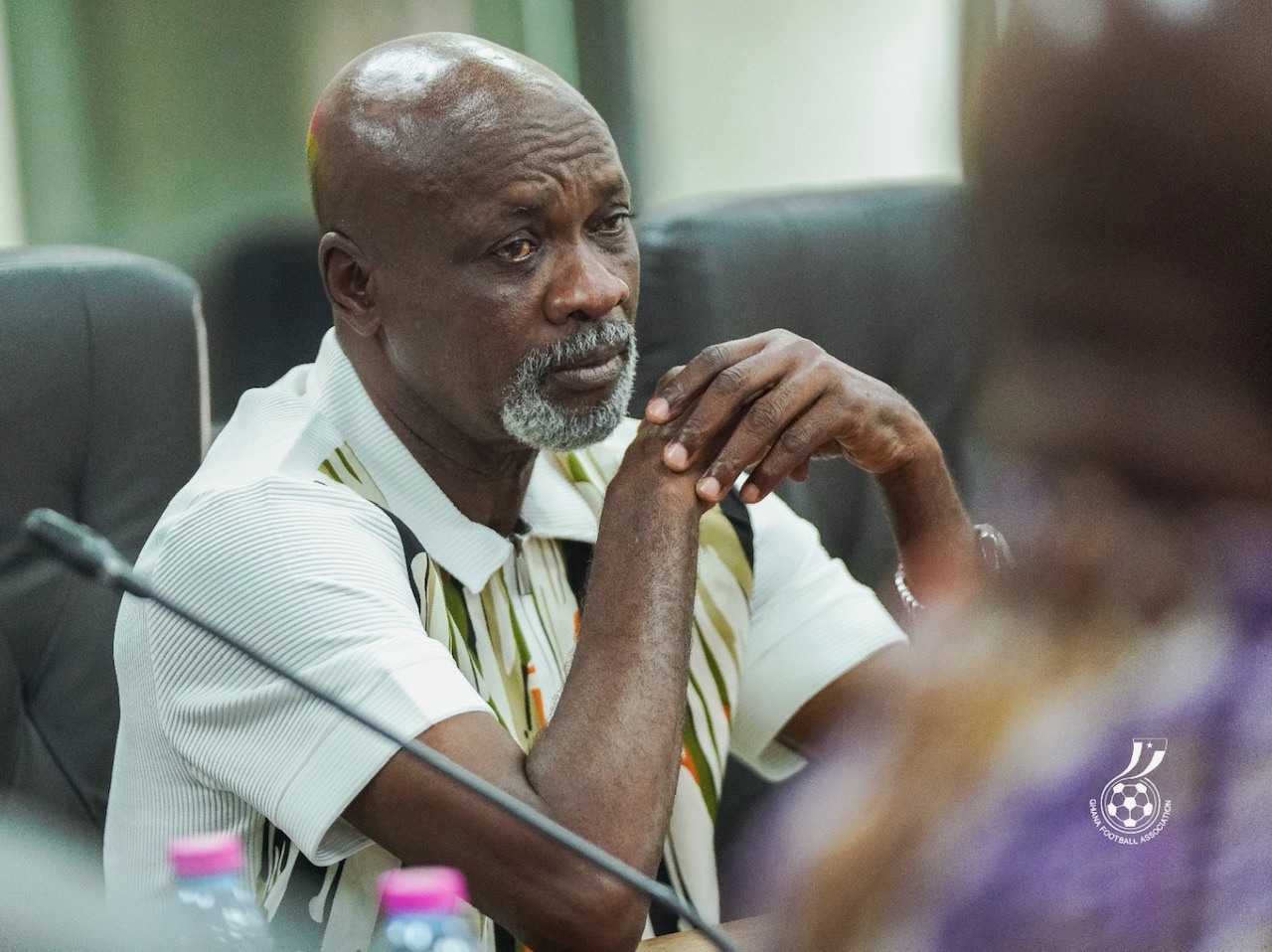
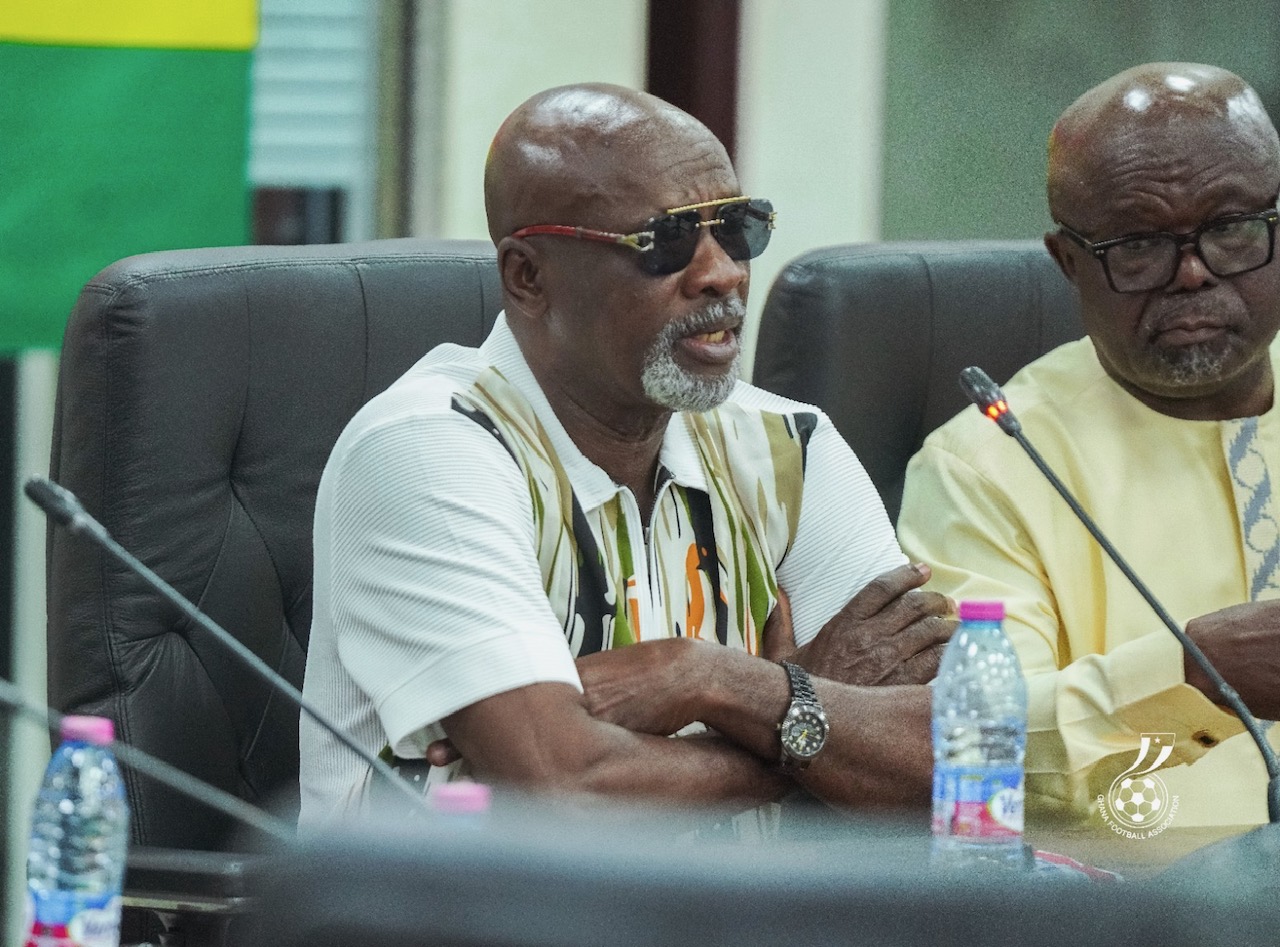
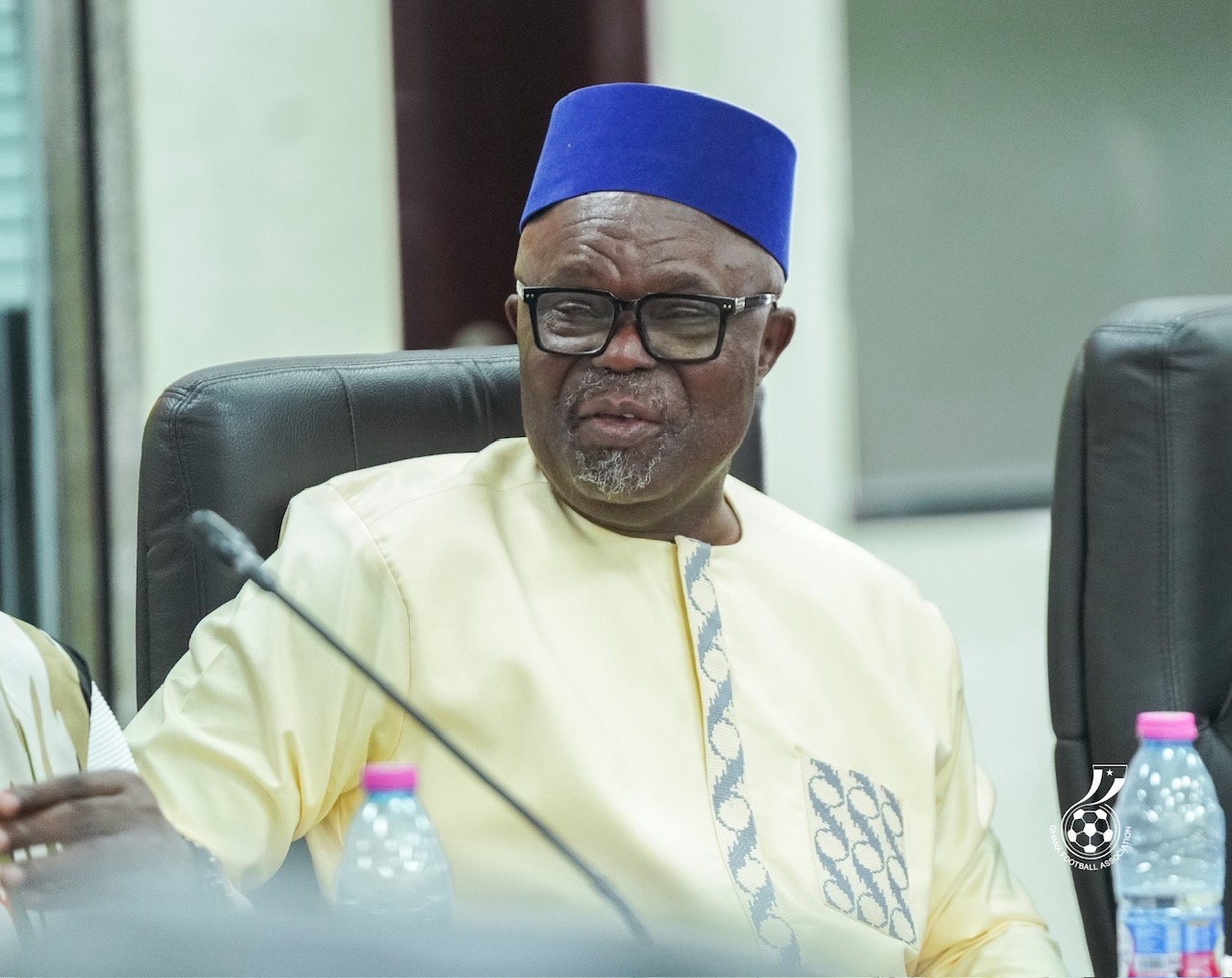
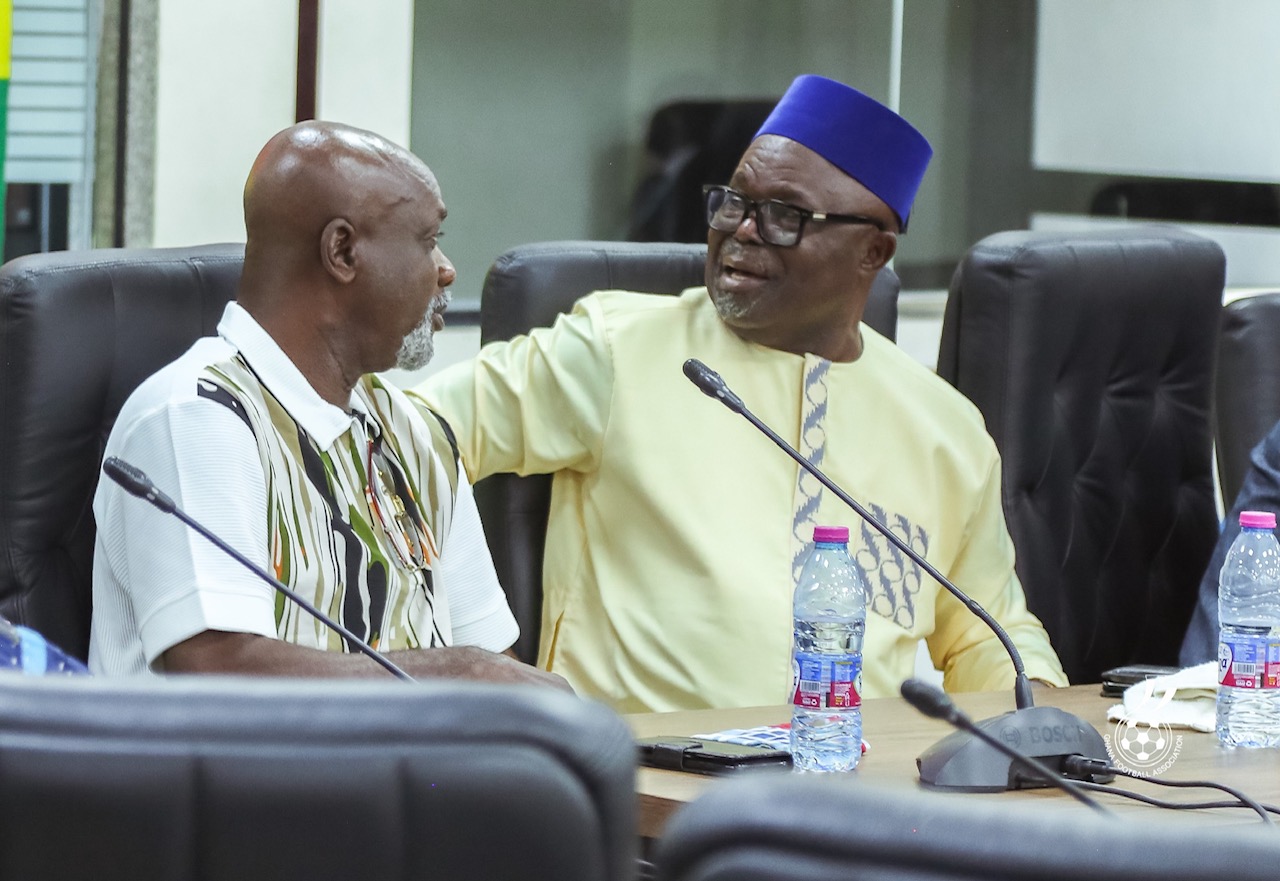
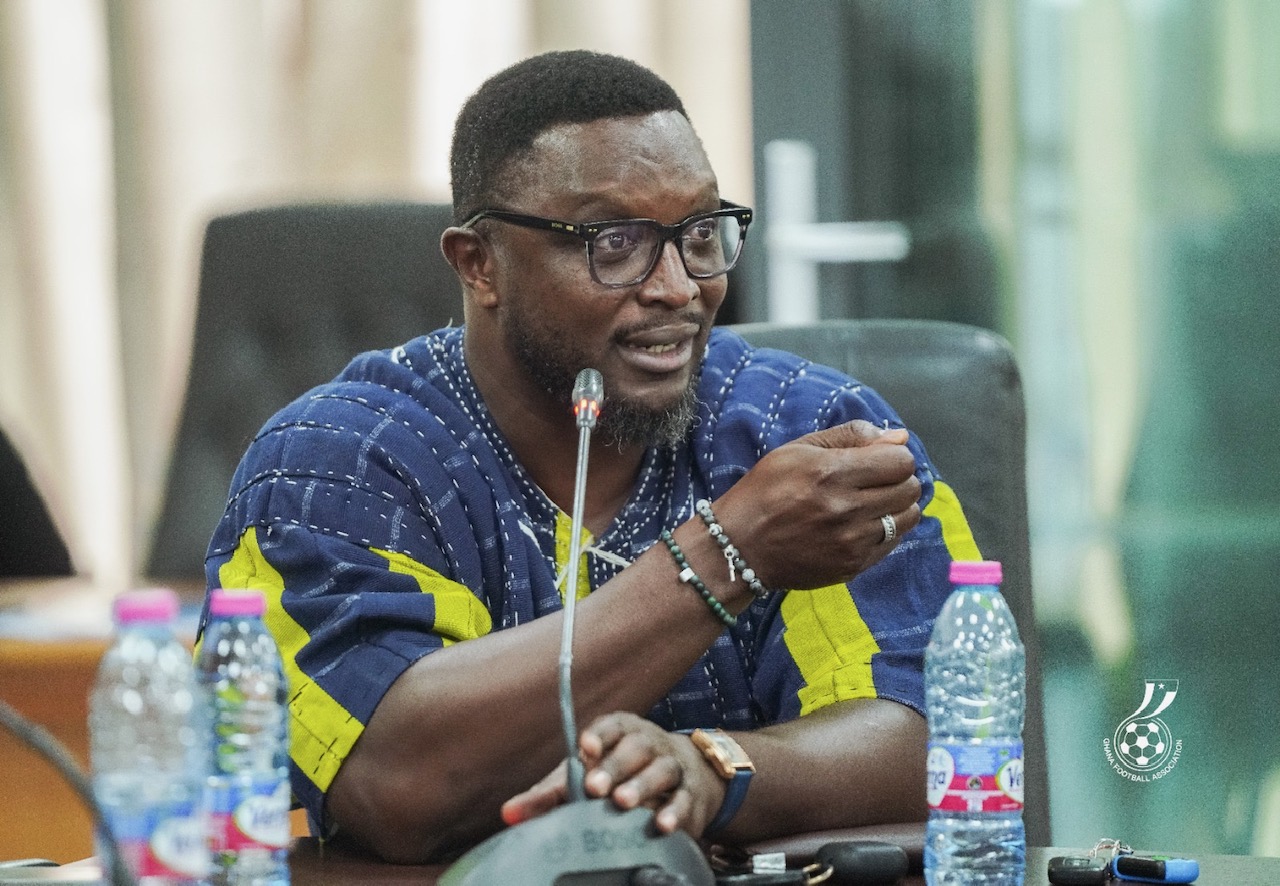
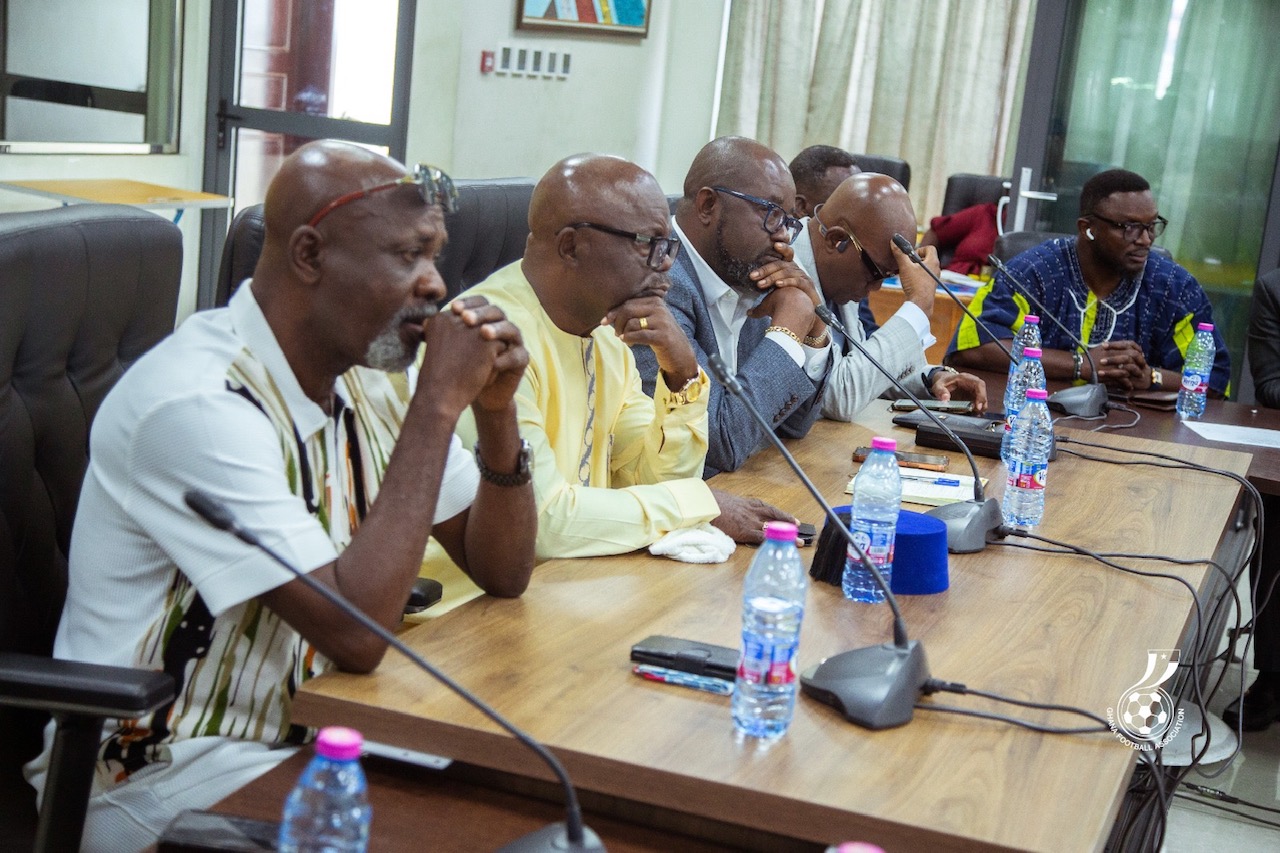 The meeting brought together GFA President Kurt Edwin Simeon-Okraku, Vice-President Mark Addo and Executive Council members Nana Sarfo Oduro, Gideon Fosu, Frederick Acheampong, Kingsley Osei Bonsu, Samuel Aboabire, Eugene Nobel Noel, Alhaji Abu-Hassan and Dr. Ransford Abbey.
Addressing the Committee, the GFA President briefed Parliament on a wide range of issues, including the Black Stars, domestic football, refereeing, investment, infrastructure and the financial constraints facing the Association.
He also highlighted the impact of the Food and Drugs Authority's (FDA) restrictions on sponsorship agreements involving alcoholic beverage companies, which he said had deprived Ghana football of significant commercial opportunities.
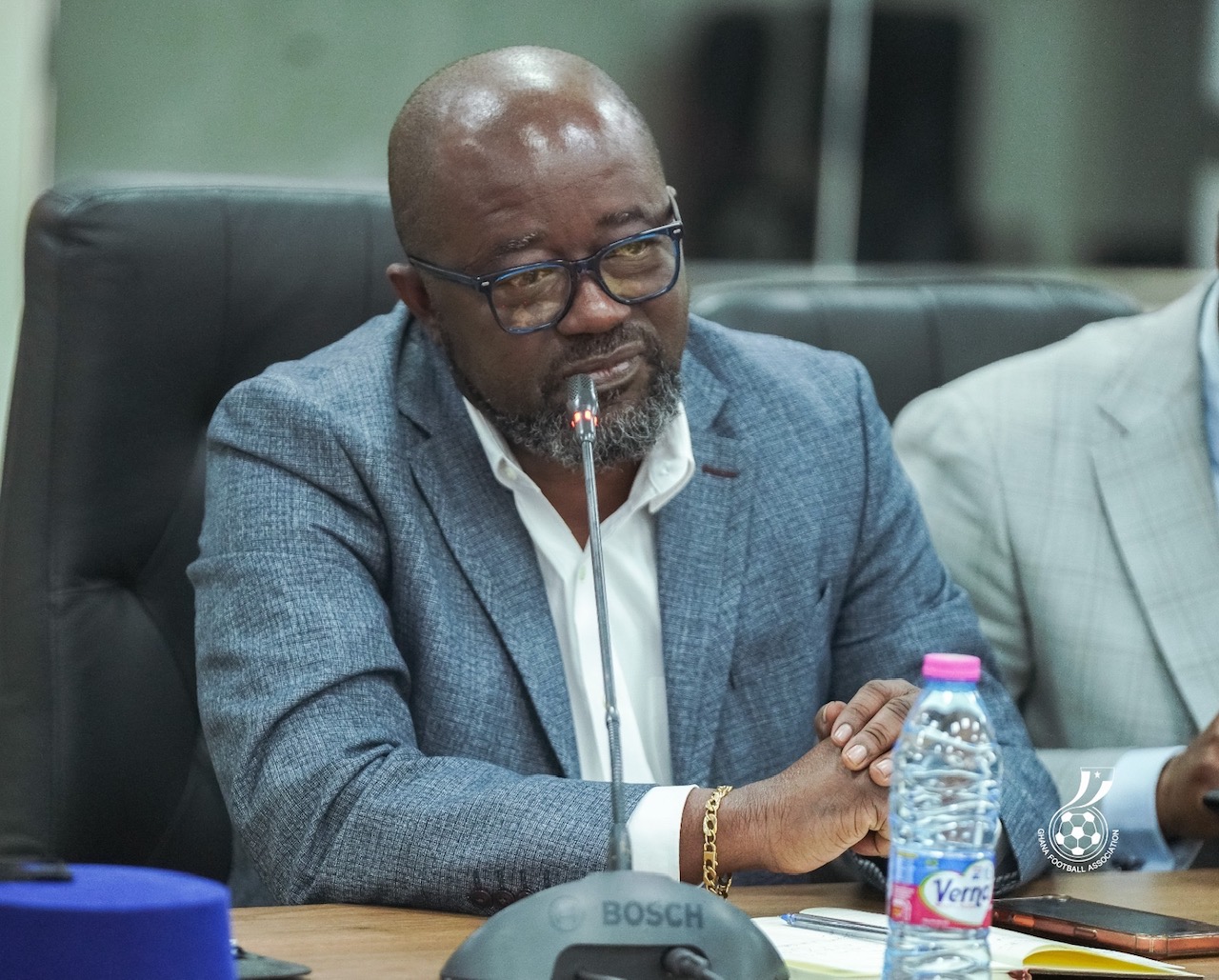 One of the major issues discussed was Ghana's prolonged wait for another Africa Cup of Nations (AFCON) title, with President Simeon-Okraku acknowledging the country's record despite generations of exceptional football talent.
The GFA President noted that the Black Stars have gone 44 years without winning the continental title, despite reaching the final on three occasions during that period.
“The Black Stars in 44 years have not won the AFCON. This is a statement of fact. In 44 years, we've had different generations of super talents, and in 44 years, we've been to the grand finale on three occasions,” Okraku said.
He, however, suggested that deeper issues have contributed to the country's inability to reclaim the continental crown, cautioning that some of the underlying factors could be damaging if discussed publicly.
“There are certain reasons that I will not want to talk about here because I see cameras and whatever we say here is public. Sometimes certain truths said at a wrong time could be very damaging,” he stated.
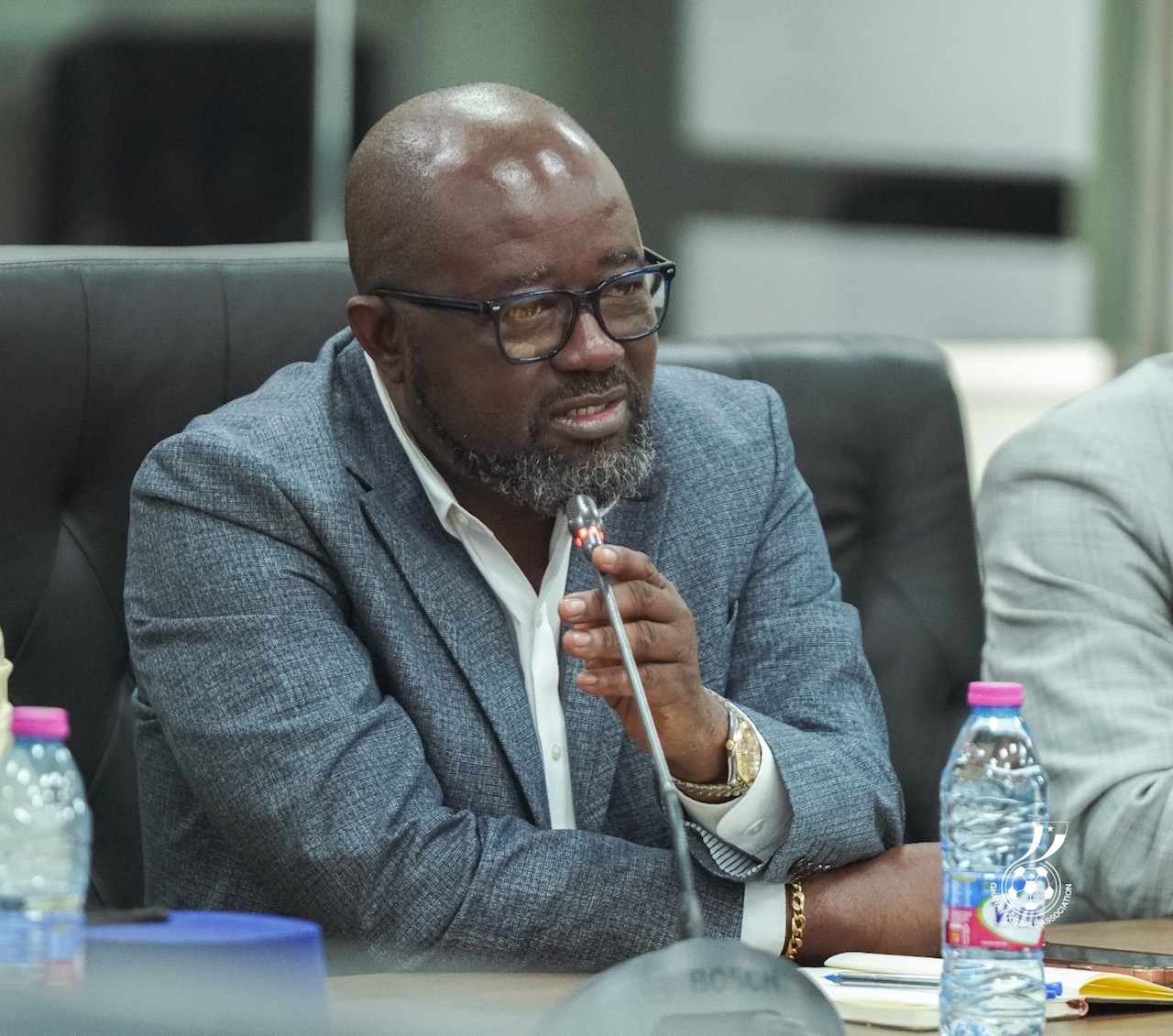 The President expressed his willingness to engage the Committee in a more private discussion to explore the underlying reasons behind Ghana's prolonged AFCON title drought.
“If this committee is very interested in going to the bottom to find perhaps that singular reason why Ghana in 44 years has not won an AFCON trophy, we can have that discussion without cameras,” he added.
Beyond the Black Stars' performance, Simeon- Okraku emphasised the need for a broader national commitment to football development, arguing that the responsibilities of the GFA alone cannot guarantee sustained success.
 He maintained that while the FA continues to play its role in managing and developing the game, the state must also take greater responsibility for providing the infrastructure, resources and support systems necessary for football to thrive.
“If we are to be honest, there is a lot more that brings sustained success in football.” Okraku said.
In a striking revelation, the GFA President disclosed that all of Ghana's national teams, including the Black Stars and Black Queens, rely on a single team bus purchased by the Association in 2008.
The bus, which has served the national teams for 18 years, has now broken down, forcing the GFA to rent transportation during the most recent international window.
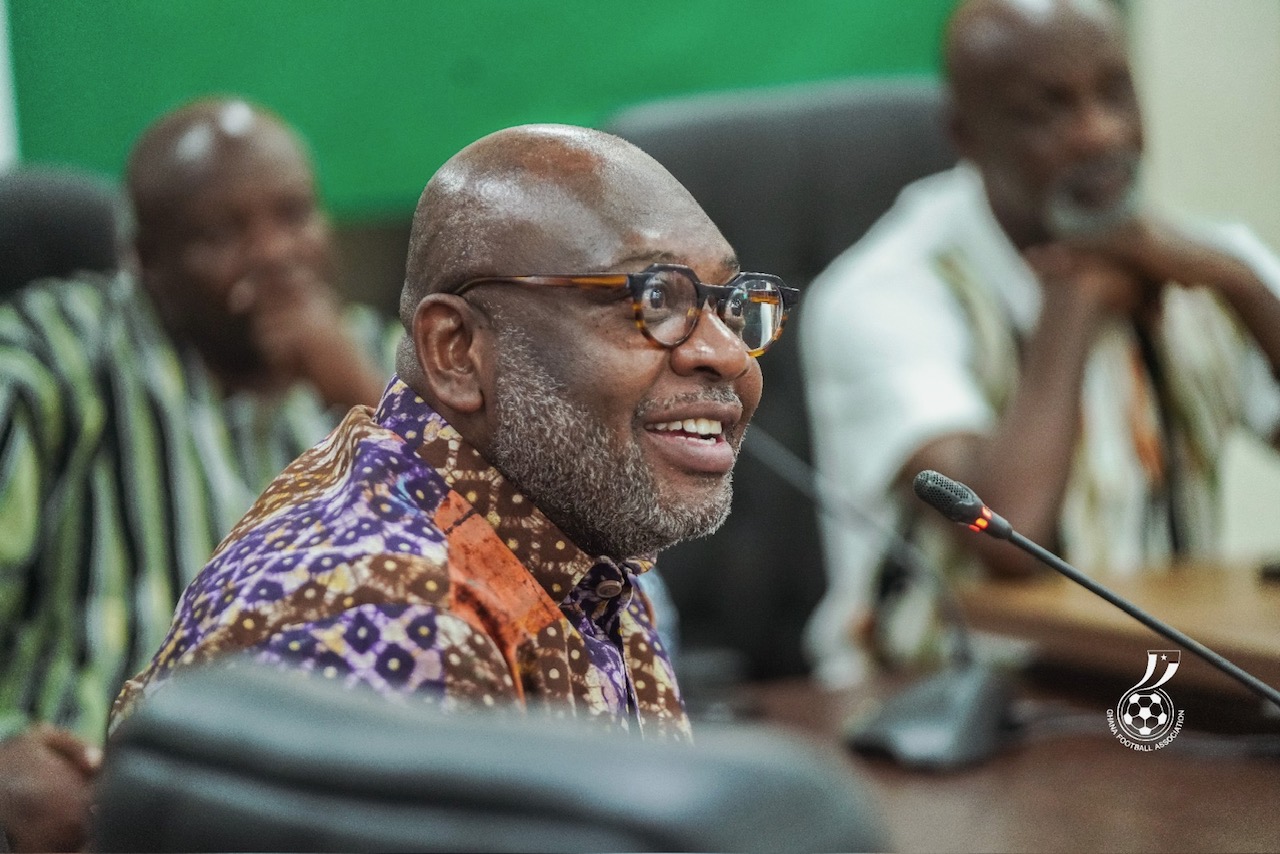 “Your Black Stars, your Black Queens, and the 18 other national teams have access to one bus that was purchased by the GFA in 2008. Now the bus is broken. During the last international window, the GFA had to rent a bus,” Okraku told the Committee.
The President also drew Parliament's attention to the financial implications of the FDA's restrictions on sponsorship agreements involving alcoholic beverage companies, revealing that the GFA had lost a potentially lucrative partnership with Guinness Ghana Limited.
According to the President, the company had expressed interest in making a substantial investment in the Ghana Premier League, with the proposed deal reportedly valued at more than $5 million annually.
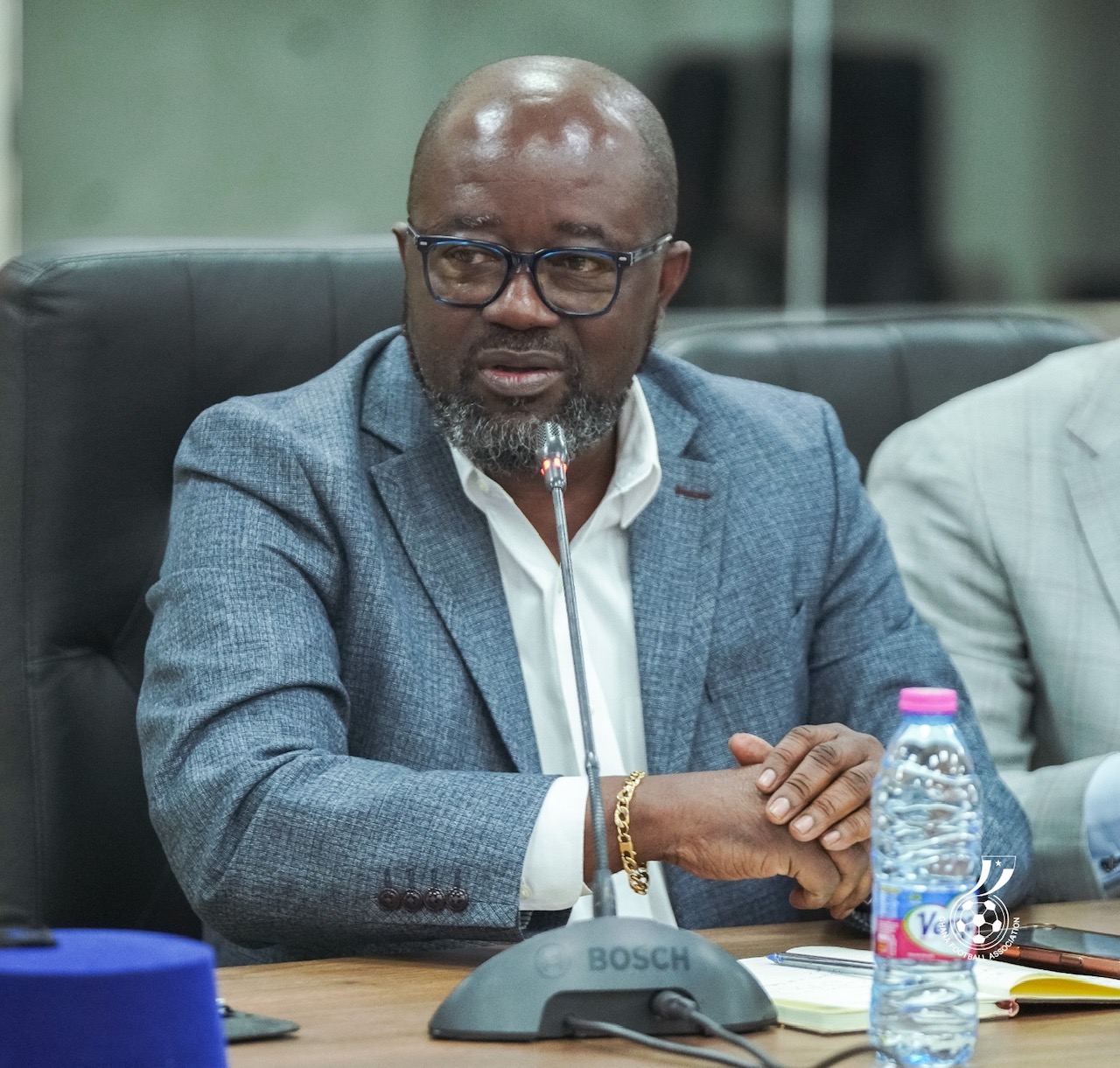 However, despite a series of engagements and negotiations, the agreement could not be concluded following the FDA's refusal to approve it.
“We were approached by Guinness Ghana Limited wanting to invest heavily in the Ghana Premier League. We did whatever we had to do. We had a series of meetings. At the end, FDA said no. The deal was, if I'm not mistaken, over $5 million a year. We lost it,” he said.
The GFA President criticised the existing restrictions, arguing that they prevent football from benefiting from significant private-sector investment at a time when the domestic game requires additional financial resources to improve its structures and commercial appeal.
He consequently urged Parliament to consider steps to remove the provision that gives the FDA the authority to approve or reject sponsorship agreements involving alcoholic beverage companies.
 Essipong Stadium granted temporary approval for Somalia qualifier
The GFA President also confirmed the temporary approval of the Essipong Stadium as a venue for Ghana's 2027 Africa Cup of Nations qualifying match against Somalia.
The confirmation formed part of the broader discussions on football infrastructure and the need to ensure that Ghana's sporting facilities meet the requirements for hosting international competitions.
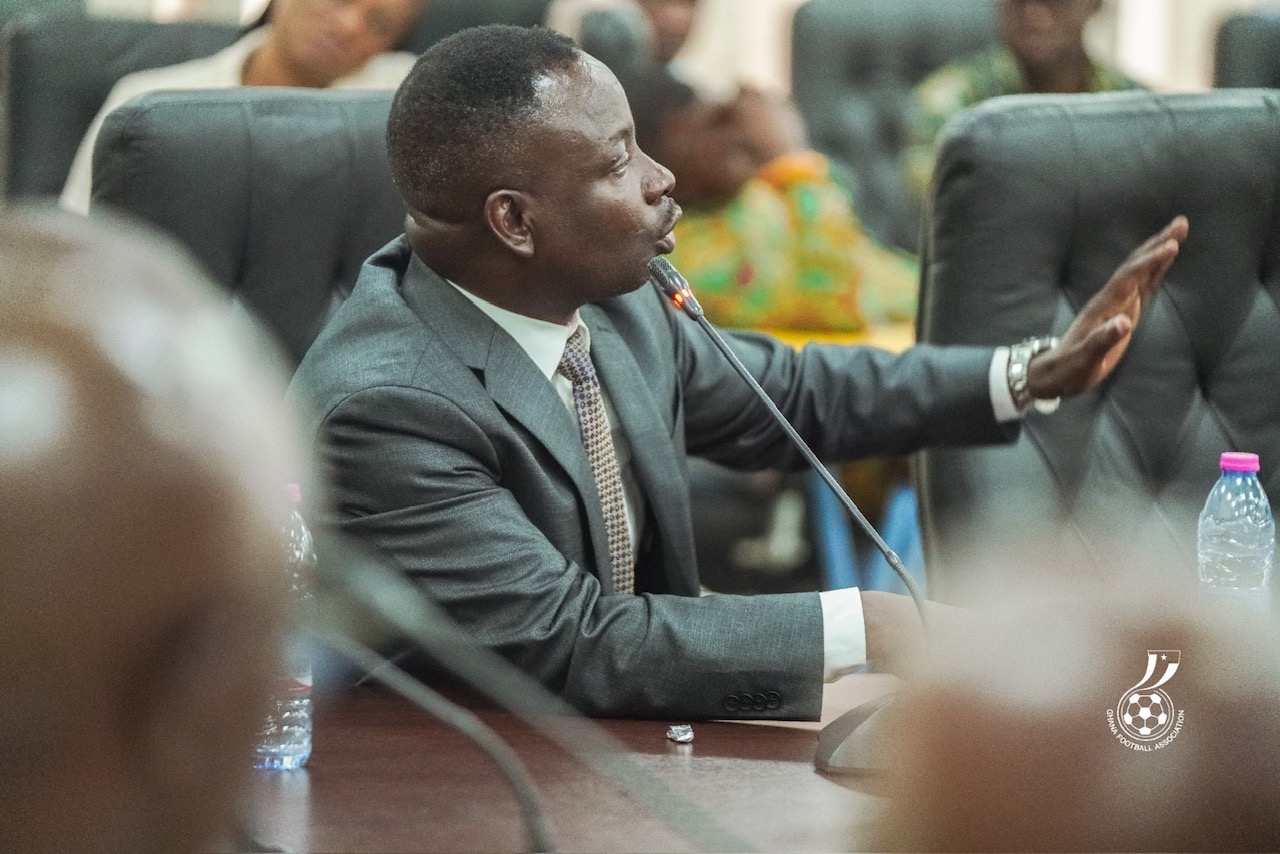 GFA Executive Council members contribute to discussions
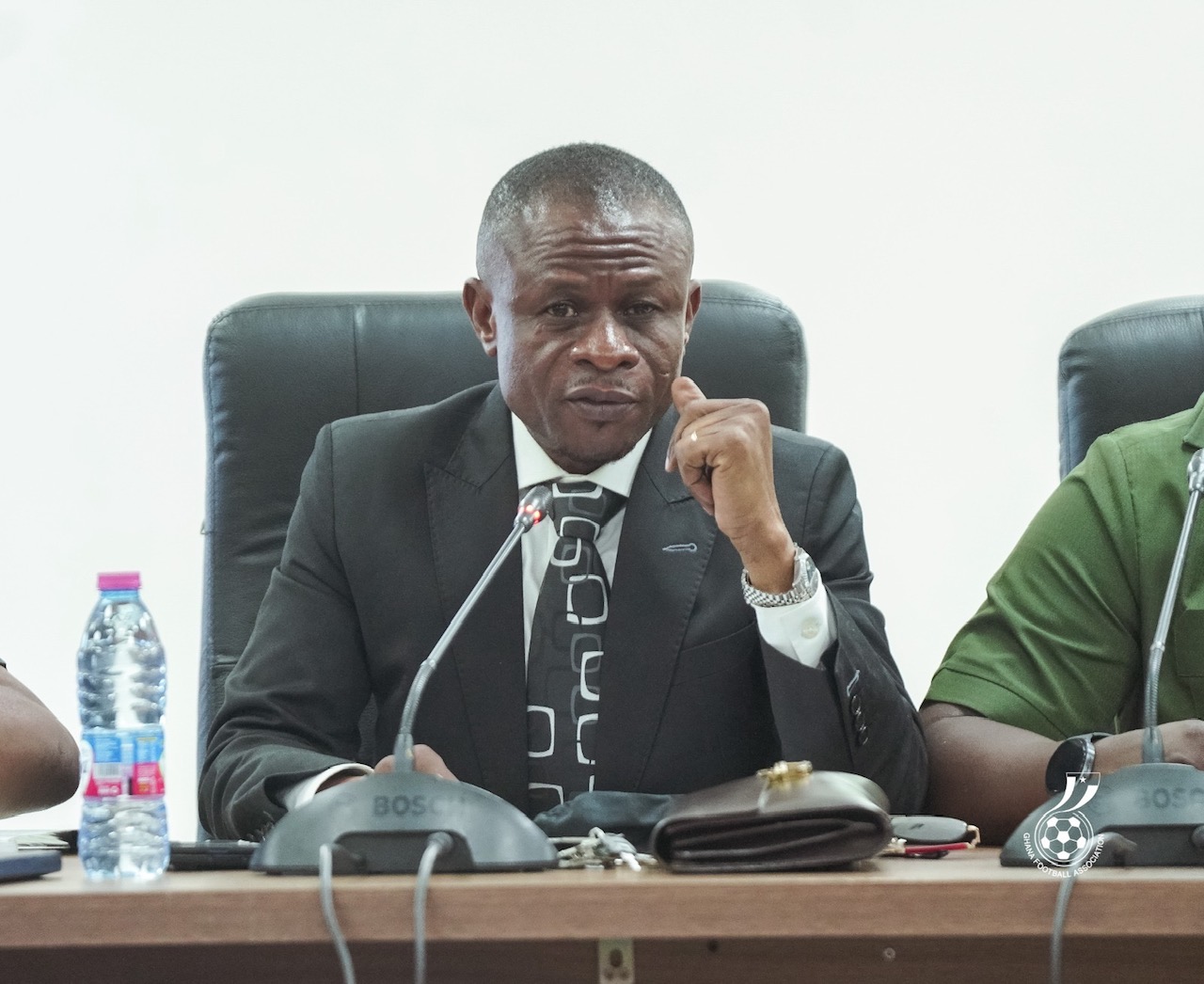
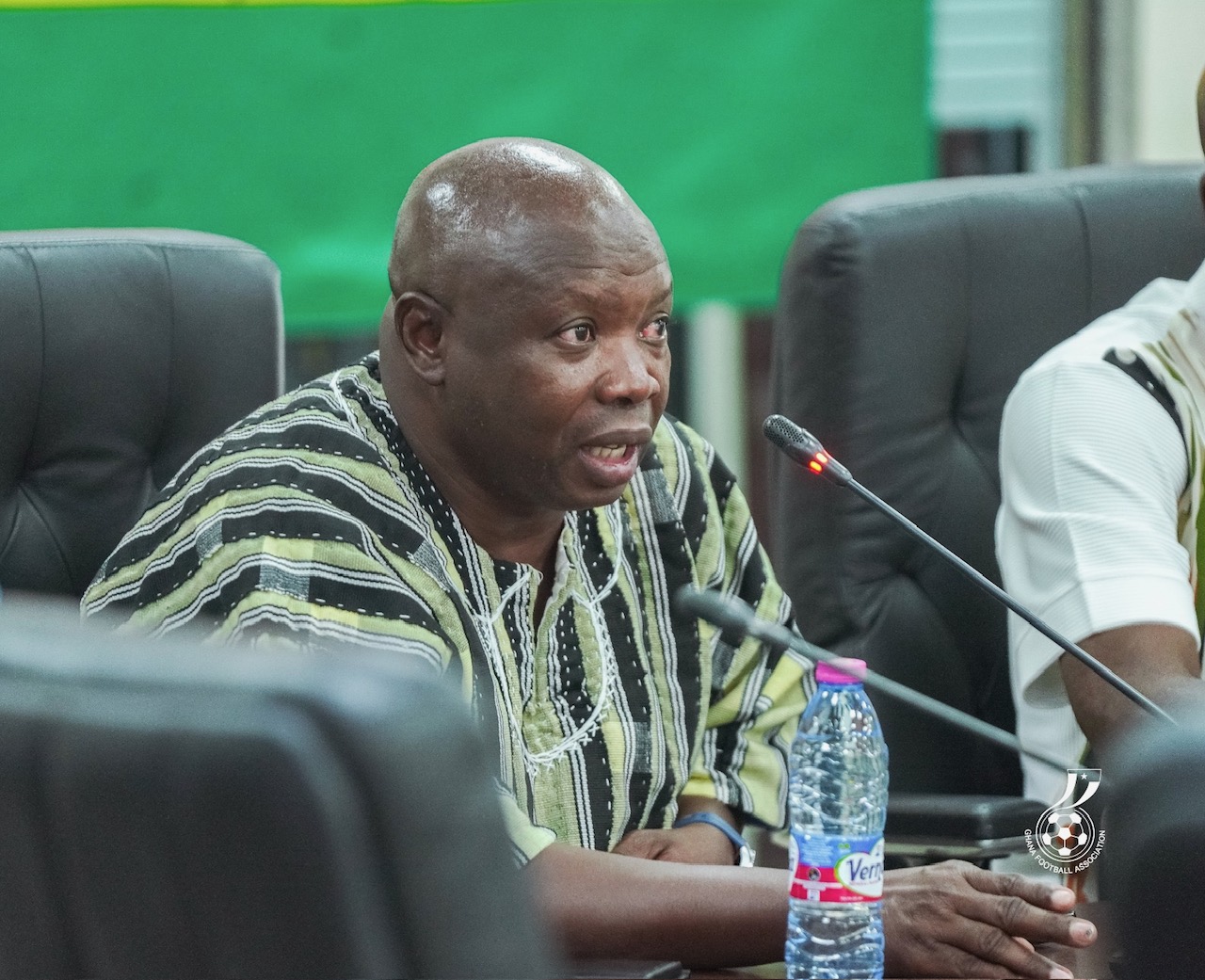
The meeting also provided an opportunity for members of the GFA Executive Council to share their perspectives on the issues raised and contribute to discussions on the future of Ghana football.
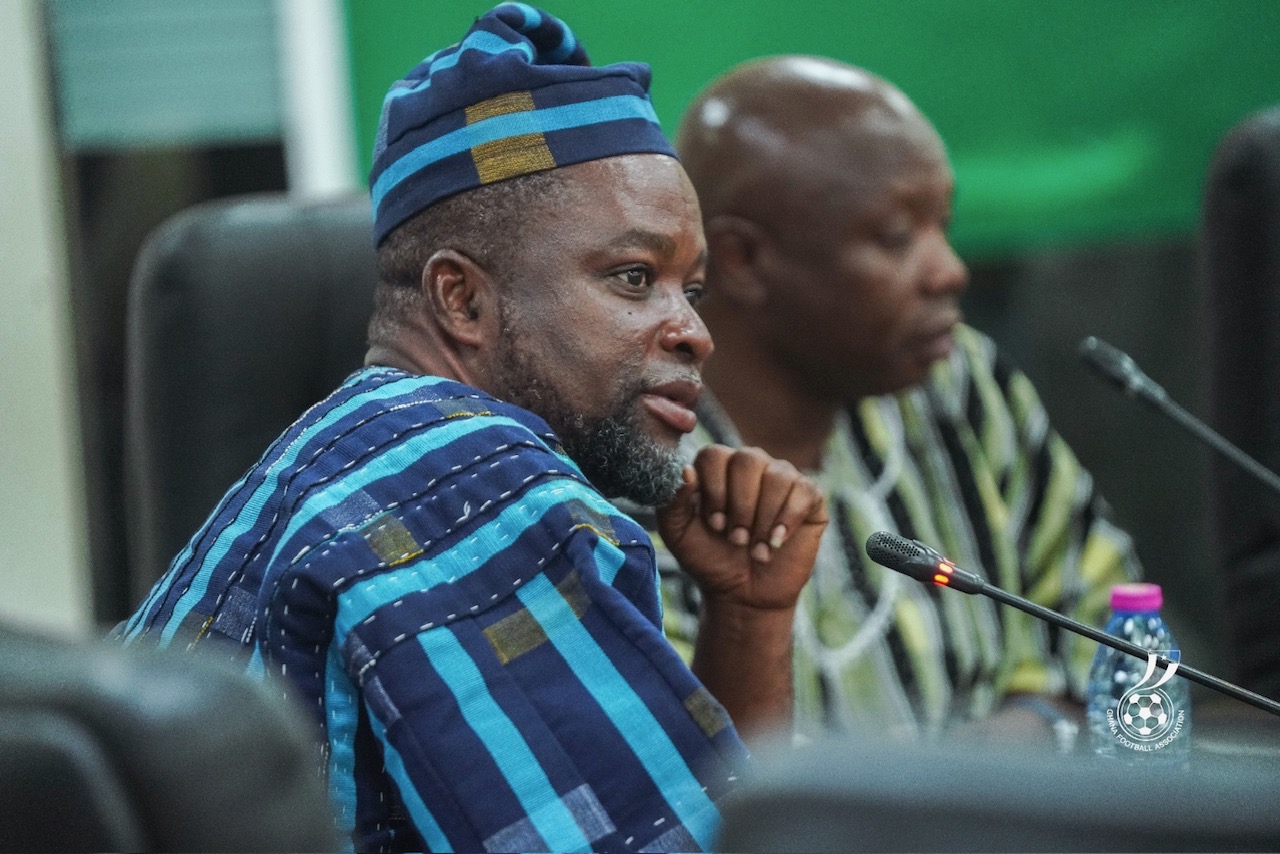
Vice-President Mark Addo, Dr. Randy Abbey, Frederick Acheampong, Gideon Fosu and Nana Sarfo Oduro offered additional insights on the wide range of matters discussed.
The engagement was described as highly successful, with both sides exchanging views on the challenges facing the game and the need for stronger collaboration to advance football development in the country.
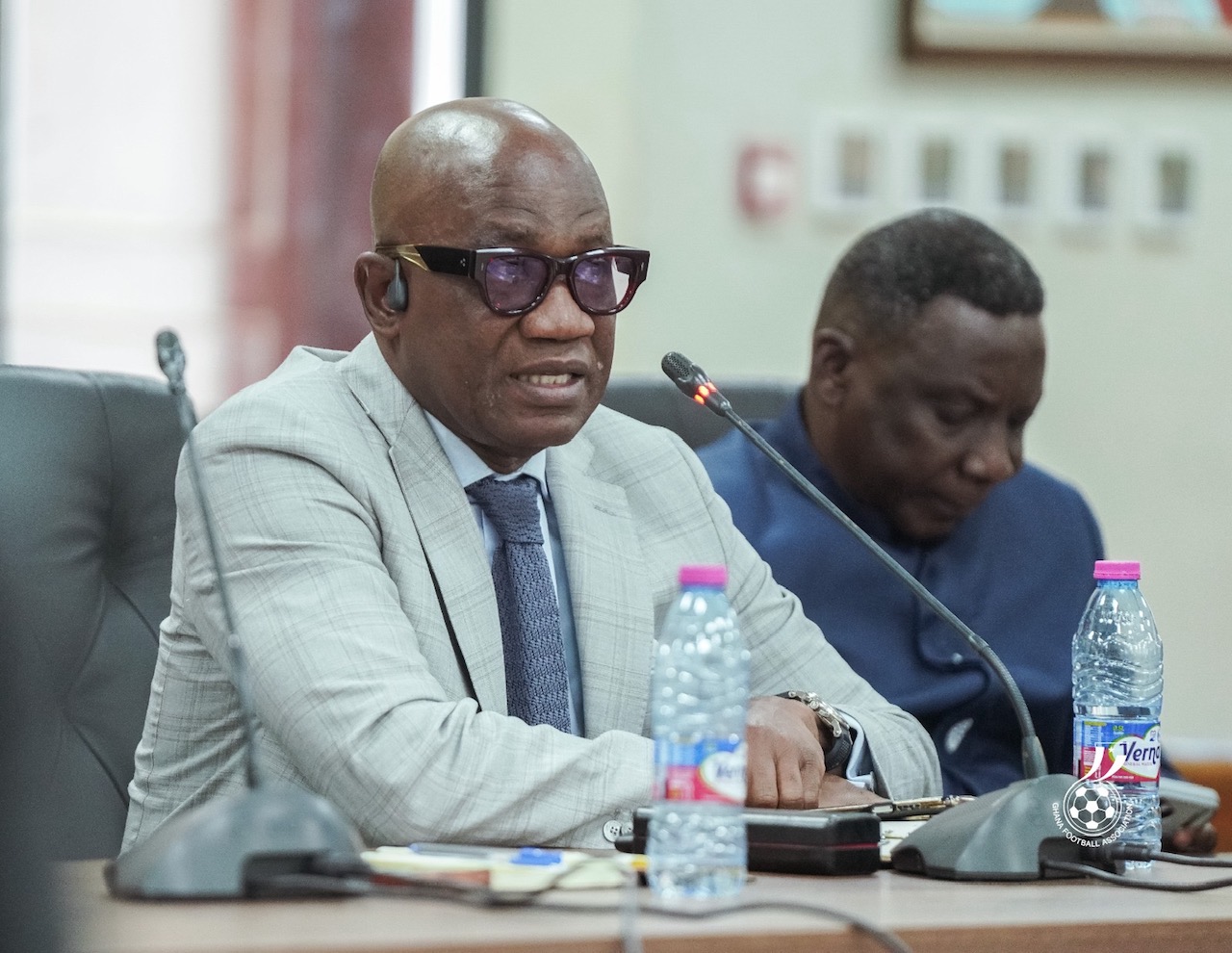 The meeting reaffirmed the importance of sustained engagement between the GFA and Parliament as Ghana seeks to address the structural, financial and infrastructural challenges confronting its football industry.
While the GFA remains committed to its mandate, the pursuit of lasting football success must be supported by a broader national effort, with government, Parliament and the private sector playing critical roles in building a stronger and more sustainable future for the game.
GFA Communications